
20261026 | 새벽묵상 | 거친 들에서 오는 자 누구인가? Who Is This Coming Up From The Wilderness | 아/Song 3:1~11
3:1 내가 밤에 침상에서 마음으로 사랑하는 자를 찾았노라 찾아도 찾아내지 못하였노라
3:2 이에 내가 일어나서 성안을 돌아다니며 마음에 사랑하는 자를 거리에서나 큰 길에서나 찾 으리라 하고 찾으나 만나지 못하였노라
3:3 성 안을 순찰하는 자들을 만나서 묻기를 내 마음으로 사랑하는 자를 너희가 보았느냐 하고
3:4 그들을 지나치자마자 마음에 사랑하는 자를 만나서 그를 붙잡고 내 어머니 집으로, 나를 잉태한 이의 방으로 가기까지 놓지 아니하였노라
3:5 예루살렘 딸들아 내가 노루와 들사슴을 두고 너희에게 부탁한다 사랑하는 자가 원하기 전에는 흔들지 말고 깨우지 말지니라
1 All night long on my bed
I looked for the one my heart loves;
I looked for him but did not find him.
2 I will get up now and go about the city,
through its streets and squares;
I will search for the one my heart loves.
So I looked for him but did not find him.
3 The watchmen found me
as they made their rounds in the city.
“Have you seen the one my heart loves?”
4 Scarcely had I passed them
when I found the one my heart loves.
I held him and would not let him go
till I had brought him to my mother’s house,
to the room of the one who conceived me.
5 Daughters of Jerusalem, I charge you
by the gazelles and by the does of the field:
Do not arouse or awaken love
until it so desires.
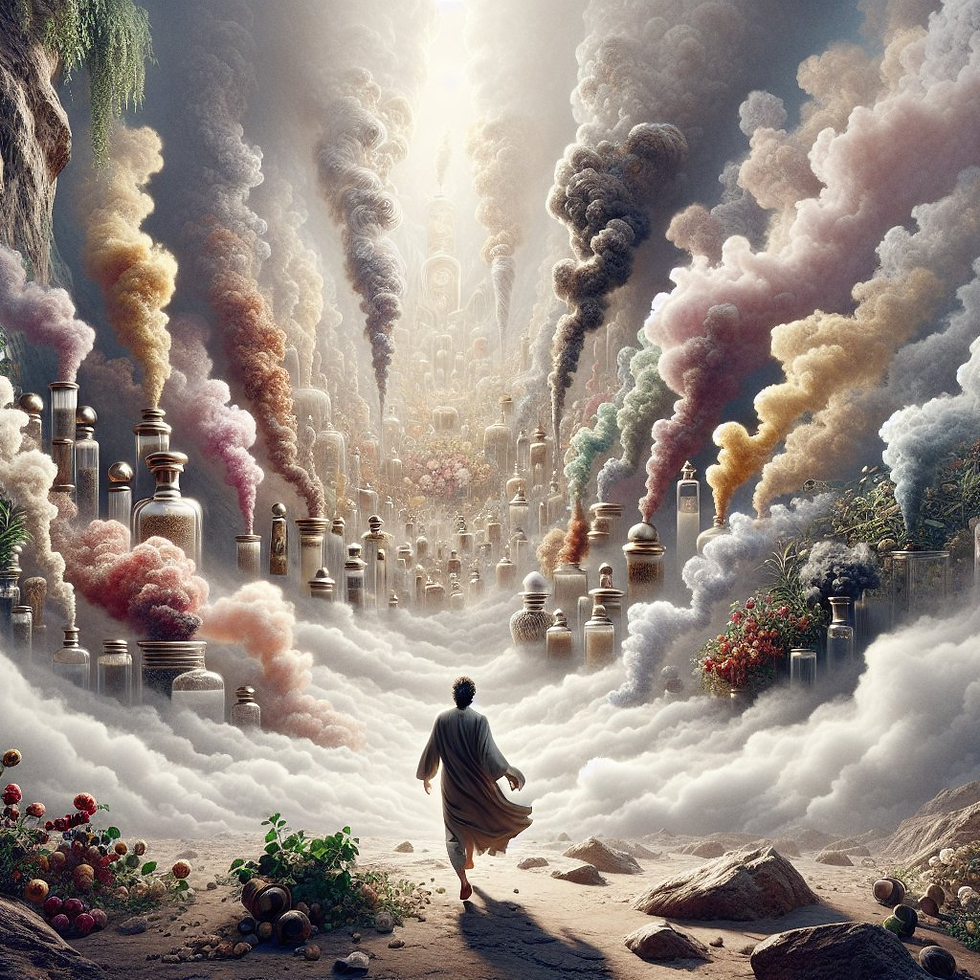
3:6 몰약과 유향과 상인의 여러 가지 향품으로 향내 풍기며 연기 기둥처럼 거친 들에서 오는 자가 누구인가
3:7 볼지어다 솔로몬의 가마라 이스라엘 용사 중 육십 명이 둘러쌌는데
3:8 다 칼을 잡고 싸움에 익숙한 사람들이라 밤의 두려움으로 말미암아 각기 허리에 칼을 찼느니라
3:9 솔로몬 왕이 레바논 나무로 자기의 가마를 만들었는데
3:10 그 기둥은 은이요 바닥은 금이요 자리는 자색 깔개라 그 안에는 예루살렘 딸들의 사랑이 엮어져 있구나
3:11 시온의 딸들아 나와서 솔로몬 왕을 보라 혼인날 마음이 기쁠 때에 그의 어머니가 씌운 왕관이 그 머리에 있구나
6 Who is this coming up from the wilderness
like a column of smoke,
perfumed with myrrh and incense
made from all the spices of the merchant?
7 Look! It is Solomon’s carriage,
escorted by sixty warriors,
the noblest of Israel,
8 all of them wearing the sword,
all experienced in battle,
each with his sword at his side,
prepared for the terrors of the night.
9 King Solomon made for himself the carriage;
he made it of wood from Lebanon.
10 Its posts he made of silver,
its base of gold.
Its seat was upholstered with purple,
its interior inlaid with love.
Daughters of Jerusalem, 11 come out,
and look, you daughters of Zion.
Look on King Solomon wearing a crown,
the crown with which his mother crowned him
on the day of his wedding,
the day his heart rejoiced.
아가서는 정경성에 가장 논란이 많았던 성경으로 과연 성경에 포함될 수 있을까? 라는 의구심이 드는 책이었습니다. 정경으로 채택된 1세기경 여전한 논란 가운데 위대한 랍비 아카비는 아가서의 탁월함을 말하면서 그 정경성을 주장했습니다.
아가서가 조금은 거북한 이유는 남녀간의 사랑에 대한 현란함, 선정적, 파격적인 표현과 묘사 때문입니다. 그래서 수세기 동안 기독교는 아가서를 풍유적(알레고리)/은유적으로만 해석했습니다. 이와 비슷하지만 다른 해석법이 예표론적Typological 해석법입니다. 신랑된 그리스도와 신부된 성도의 사랑/ 여호와 하나님과 이스라엘의 사랑으로 해석한 것입니다. 두 해석법의 차이는 전자는 역사성/사실성과 상관 없이 그저 영적, 은유적, 비유적으로 해석하는 방법이라면, 후자는 구약 본문 자체를 실제적, 역사적인 사실로 받아들이고 해석한다는 것입니다.
또 다른 해석법은 극적Dramatic 해석법입니다. 19세기 주석가 델리취가 주장한 것으로 초대교부인 오리겐의 입장을 고수하며 아가서를 한편의 드라마로 이해하는 해석 방법입니다. 저 역시 아가서를 보면서 한 편의 오페라나 뮤지컬로 만들수 있겠다는 생각을 했습니다.
이처럼 아가서에 대해서 영적 또는 예표론적으로 하나님과 성도의 사랑으로만 해석하던 것이 19세기 중반을 지나면서 하나님이 주신 선물로서 남녀간의 사랑으로 읽고 해석하기 시작합니다. 특별히 오늘날처럼 성을 우상시하여 하나님보다 더 앞서는 시대에 정말 중요한 책이라 할 수 있겠습니다. 성을 지나치게 탐닉하거나 반대로 너무 죄악시 하는 것은 결코 하나님의 뜻이 아님을 알아야 합니다. 비록 하나님과 관련된 호칭은 여호와(8:6) 1회 밖에는 등장하지 않지만, 아가서는 균형 잡힌 남녀간의 사랑, 결혼관, 이성관을 보여주고 있습니다.
저자는 자체적으도 솔로몬임을 밝히고 있습니다. 그래서 제목이 영어성경들 가운데 Song of Solomon 이 많은데, 사실 히브리어로는 쉬르 핫쉬림이고, 헬라어는 아스마 아스마토, 라틴어는 칸티쿰 칸티코롬으로 모든 같은 의미입니다. 이것들을 영어로 직역하자면 Song of songs, 곧 노래 중의 노래라는 의미입니다.
구조는 사랑의 시작 – 결실 – 위기 – 완성인데, 오늘 본문은 결실에 해당하는 부분입니다. 아가서는 순간순간 화자가 누구인지를 잘 살펴보아야 이해가 쉽습니다.
Song of Songs was one of the most controversial books regarding its place in the biblical canon, raising doubts about whether it could truly be included in the Bible. Around the 1st century, when it was formally recognized as canonical amid ongoing debate, the great Rabbi Akiva insisted on its canonical authority by highlighting its supreme excellence.
Part of what makes Song of Songs feel somewhat uncomfortable is its vivid, sensual, and striking descriptions of love between a man and a woman. For this reason, Christianity interpreted the book solely in an allegorical or metaphorical sense for centuries. A similar yet distinct approach is typological interpretation, which understands the text as representing the love between Christ the Bridegroom and the Believer as His Bride, or the love between Yahweh and Israel. The distinction between the two lies in the fact that allegorical interpretation disregards historical and factual basis in favor of purely spiritual and metaphorical meaning, whereas typological interpretation accepts the Old Testament text itself as an actual, historical reality before making its connection.
Another approach is the dramatic interpretation. Popularized by the 19th-century commentator Franz Delitzsch, this method builds upon the stance of the early Church Father Origen, reading Song of Songs as a dramatic work. Reading through it, I too have often thought that it could easily be adapted into an opera or a musical.
While Song of Songs was long interpreted purely spiritually or typologically as the love between God and His believers, interpreters from the mid-19th century onward began to read and understand it as a celebration of romantic love between a man and a woman—a gift bestowed by God. This makes it an especially vital book for today’s culture, where sex is often idolized and placed above God. We must recognize that neither obsessing over sex nor viewing it as inherently sinful aligns with God's will. Although the name of God appears only once—as "Yahweh" in Song of Solomon 8:6—the book presents a balanced view of romantic love, marriage, and relationships.
The text itself identifies Solomon as its author. This is why many English Bibles title it the Song of Solomon. However, in Hebrew it is Shir HaShirim, in Greek Asma Asmaton, and in Latin Canticum Canticorum—all of which carry the exact same meaning. Translated literally into English, these titles mean "Song of Songs," or the ultimate song among songs.
The structure of the book moves through four phases: the beginning of love, its fruition, a crisis, and its ultimate completion. Today’s passage corresponds to the phase of fruition. To understand Song of Songs clearly, it helps to pay close attention to who is speaking at any given moment.

찾으면 찾을 것이요 (1~5절)
술람미 여인은 밤중에 깨어 침상에서 연인을 찾지만 찾지 못합니다(1). 그녀는 그렇게 포기하지 않고 예루살렘 성안을 돌아다니며 마음에 사랑하는 자를 찾지만 역시 찾지 못합니다(2). 그녀는 성안을 순찰하는 군인들을 만나 솔로몬 왕을 보았는지 묻지만, 그들은 왕을 보지 못했습니다(3). 군인들과 헤어지자마자 그녀는 그토록 찾던 솔로몬 왕을 만납니다. 그녀는 솔로몬의 손을 잡고 그녀의 어머니의 집, 곧 자신을 잉태한 이의 방으로 갑니다(4). 그녀는 예루살렘 여인들에게 사랑하는 자가 원하기 전에는 흔들어 깨우지 말 것을 부탁합니다(5).
진심으로 솔로몬을 사랑하는 술람미 여인의 노래를 들을 수 있습니다. 이 단락에서 우리는 깊은 영적인 교훈 몇 가지를 얻습니다. 먼저는 신부인 성도는 신랑되신 예수를 찾고 구해야 한다는 것입니다. 1, 2절에 찾는다는 동사가 5번이나 나옵니다. 그만큼 술람미 여인은 솔로몬 왕을 찾고 구합니다. 예레미야 선지자는 너희가 온 마음으로 나를 구하면 나를 찾을 것이요 나를 만나리라 (렘 29:13)고 말했습니다.
예수님은 다음과 같이 말씀 하셨습니다.
구하라 그리하면 너희에게 주실 것이요 찾으라 그리하면 찾아낼 것이요 문을 두드리라 그리하면 너희에게 열릴 것이니 구하는 이마다 받을 것이요 찾는 이는 찾아낼 것이요 두드리는 이에게는 열릴 것이니라 (마 7:7, 8)
신앙생활은 사랑하는 신랑을 찾아 헤매듯 온 마음과 뜻을 다해 주님을 찾는 것입니다. 그리고 찾는 자는 반드시 만나주실 것을 약속하셨습니다.
두번째 교훈은 신랑되신 주님을 찾되, 찾을 때까지 찾아야 한다는 것입니다.
그녀는 신랑을 방에서 찾고, 성안에서 찾고, 거리와 큰길에서 찾고, 순찰하는 군인들에게 묻기까지 하며 찾습니다. 그리고 결국 만납니다. 신랑되신 예수님을 우리는 이렇게 찾아야 합니다.
마지막으로 완전한 사랑이 결실을 맺기까지 신중해야 합니다(5).
만일 술람미 여인의 사랑이 소문이 나서 예루살렘들 여인이 입방아를 찧기 시작하면 포도원을 허무는 작은 여우와 같은 사탄이 두 사람의 사랑을 훼방할 수 있습니다. 진정한 사랑은 사랑하는 사람의 시간과 템포를 기다려 주는 것입니다.
If You Seek, You Will Find (Verses 1–5)
The Shulammite woman wakes up in the middle of the night and looks for her beloved on her bed, but cannot find him. Rather than giving up, she wanders through the city of Jerusalem, searching through the streets and squares for the one her heart loves, yet she still does not find him. She encounters the watchmen patrolling the city and asks if they have seen King Solomon, but they have not. Shortly after leaving them, she finally finds the King. Holding him tightly, she leads him to her mother's house—into the room of her conception. She then adjures the daughters of Jerusalem not to disturb or awaken love until it so desires.
This passage reveals the heart of the Shulammite woman, who loves Solomon deeply. From her song, we can draw several key spiritual lessons:
Eagerly Seeking the Bridegroom: Believers, as the bride, must continually seek Jesus, the Bridegroom. The verb "to seek" appears five times in the first two verses, reflecting the intensity of her pursuit. This aligns with Jeremiah 29:13 ("You will seek me and find me when you seek me with all your heart") and Jesus' words in Matthew 7:7–8 to ask, seek, and knock. The spiritual life involves seeking the Lord with all our heart and mind, trusting His promise that those who seek will find Him.
Persisting Until He Is Found: The Shulammite woman searches everywhere—her room, the city streets, the broad avenues—and inquires of the watchmen until she finally finds him. We are called to seek the Lord with the same relentless persistence.
Exercising Care and Patience in Love: True love requires patience and discretion before reaching full fruition. If public gossip were to arise among the women of Jerusalem, it could act like the "little foxes" that ruin the vineyard, allowing spiritual distraction or interference. Genuine love respects and waits for the right time and rhythm of the beloved.

거친 들에서 오는 자 누구인가? (6~11절)
드디어 술람미 여인과 솔로몬 왕의 사랑이 결실을 맺습니다. 향수 냄새를 풍기며 연기 기둥처럼 거친 들에서 오는 자가 누구일까요? 바로 솔로몬이 60명의 호위병들과 함께 술람미 여인을 아내로 맞이하기 위해 옵니다. 호위병들은 전투에 능한 용사들이고, 가마는 레바논 나무로 만들고, 은기둥과 금 바닥과 예루살렘의 딸들이 자색 깔개로 꾸민 최고의 가마입니다. 그녀는 신랑인 솔로몬을 자랑합니다.
신랑이신 그리스도는 이처럼 신부인 교회, 곧 우리를 사랑하시고 보호하시며 신부로 맞이하십니다. 또한 신부인 성도들은 신랑이신 그리스도를 위하여 그분의 일에 헌신해야 합니다. 본문에서는 예루살렘 여인들이 가마를 꾸미는 일로 묘사되었습니다. 이처럼 왕관을 쓰신 신랑되신 그리스도를 위해 헌신하며, 그분의 신부가 되는 즐거움을 누려야 합니다. 이것이 신부인 성도들이 해야 할 일 입니다.
Who Is This Coming Up Out of the Wilderness? (Verses 6–11)
Finally, the love between the Shulammite woman and King Solomon comes to fruition. Who is this coming up out of the wilderness like a column of smoke, perfumed with spices? It is Solomon coming to take the Shulammite woman as his bride, accompanied by sixty royal guards. These guards are valiant warriors skilled in battle, and the palanquin is of the highest quality—crafted from the wood of Lebanon, with pillars of silver, a floor of gold, and an interior lovingly fitted out with purple tapestry by the daughters of Jerusalem. She proudly boasts of her bridegroom, Solomon.
In the same way, Christ, our Bridegroom, loves and protects the Church—His bride—and receives us unto Himself. Likewise, as believers who make up His bride, we are called to devote ourselves to the work of Christ, our Bridegroom. In this text, that devotion is pictured through the daughters of Jerusalem adorning the palanquin. We ought to serve Christ, our crowned Bridegroom, with total dedication and delight in the privilege of being His bride. This is the true calling of every believer.

두 가지 측면에서 말씀을 정리해 보겠습니다.
첫번째는 인간적인 남여의 관계라는 측면입니다.
부부은 진심으로 서로를 아끼고 사랑하며, 서로를 찾고 구해야 합니다. 그리고 그 사랑을 방해하는 구설수나 말들, 그 외의 것들을 조심해야 합니다. 그리고 서로를 존중하며 상대방이 자원하는 마음이 들기까지 기다려야 합니다.
두번째는 신랑되신 예수님과 신부된 성도들의 관계라는 측면입니다.
성도는 그리스도를 찾고 또 찾아야 합니다. 그러면 반드시 찾고, 만날 것입니다. 한편 주님을 포기하지말고 찾아야 합니다. 그리고 그분의 때를 기다려야 합니다. 작은 일에도 화들짝 놀라는 사슴이나 노루처럼 굴지말고 묵묵히 그분의 결정과 때를 기다려야 하는 것입니다. 그러면 반드시 그 사랑은 결실을 맺게 됩니다.
Let us summarize this message through two distinct lenses:
First, from the perspective of human relationships between husband and wife:
Spouses must genuinely cherish and love one another, constantly pursuing each other's hearts. They must guard against gossip, hurtful words, and anything else that might threaten their love. Furthermore, they must respect one another, patiently waiting until love arises willingly from a willing heart.
Second, from the perspective of the relationship between Jesus, the Bridegroom, and believers, His bride:
Believers must continually seek Christ. When we seek Him, we are guaranteed to find and meet Him. We must never give up our search for the Lord, and we must wait faithfully for His timing. Rather than acting startled or anxious like timid deer or gazelles, we need to quietly abide and await His decisions and His perfect timing. When we do, that love will surely bear rich fruit.


댓글