
20261009 | 새벽묵상 | 죄와 예배 Sin and Worship | 대상/1Chron 21:9~17

21:9 여호와께서 다윗의 선견자 갓에게 말씀하여 이르시되
21:10 가서 다윗에게 말하여 이르기를 여호와의 말씀이 내가 네게 세 가지를 내어 놓으리니 그 중에서 하나를 네가 택하라 내가 그것을 네게 행하리라 하셨다 하라 하신지라
9 The Lord said to Gad, David’s seer, 10 “Go and tell David, ‘This is what the Lord says: I am giving you three options. Choose one of them for me to carry out against you.’”
21:11 갓이 다윗에게 나아가 그에게 말하되 여호와의 말씀이 너는 마음대로 택하라
21:12 혹 삼년 기근이든지 혹 네가 석 달을 적군에게 패하여 적군의 칼에 쫓길 일이든지 혹 여호와의 칼 곧 전염병이 사흘 동안 이 땅에 유행하며 여호와의 천사가 이스라엘 온 지경을 멸할 일이든지 라고 하셨나니 내가 무슨 말로 나를 보내신 이에게 대답할 것을 결정하소서 하니
11 So Gad went to David and said to him, “This is what the Lord says: ‘Take your choice: 12 three years of famine, three months of being swept away before your enemies, with their swords overtaking you, or three days of the sword of the Lord—days of plague in the land, with the angel of the Lord ravaging every part of Israel.’ Now then, decide how I should answer the one who sent me.”
21:13 다윗이 갓에게 이르되 내가 곤경에 빠졌도다 여호와께서는 긍휼이 심히 크시니 내가 그의 손에 빠지고 사람의 손에 빠지지 아니하기를 원하나이다 하는지라
13 David said to Gad, “I am in deep distress. Let me fall into the hands of the Lord, for his mercy is very great; but do not let me fall into human hands.”
21:14 이에 여호와께서 이스라엘 백성에게 전염병을 내리시매 이스라엘 백성 중에서 죽은 자가 칠만 명이었더라
21:15 하나님이 예루살렘을 멸하러 천사를 보내셨더니 천사가 멸하려 할 때에 여호와께서 보시고 이 재앙 내림을 뉘우치사 멸하는 천사에게 이르시되 족하다 이제는 네 손을 거두라 하시니 그 때에 여호와의 천사가 여부스 사람 오르난의 타작 마당 곁에 선지라
14 So the Lord sent a plague on Israel, and seventy thousand men of Israel fell dead. 15 And God sent an angel to destroy Jerusalem. But as the angel was doing so, the Lord saw it and relented concerning the disaster and said to the angel who was destroying the people, “Enough! Withdraw your hand.” The angel of the Lord was then standing at the threshing floor of Araunah the Jebusite.
21:16 다윗이 눈을 들어 보매 여호와의 천사가 천지 사이에 섰고 칼을 빼어 손에 들고 예루살렘 하늘을 향하여 편지라 다윗이 장로들과 더불어 굵은 베를 입고 얼굴을 땅에 대고 엎드려
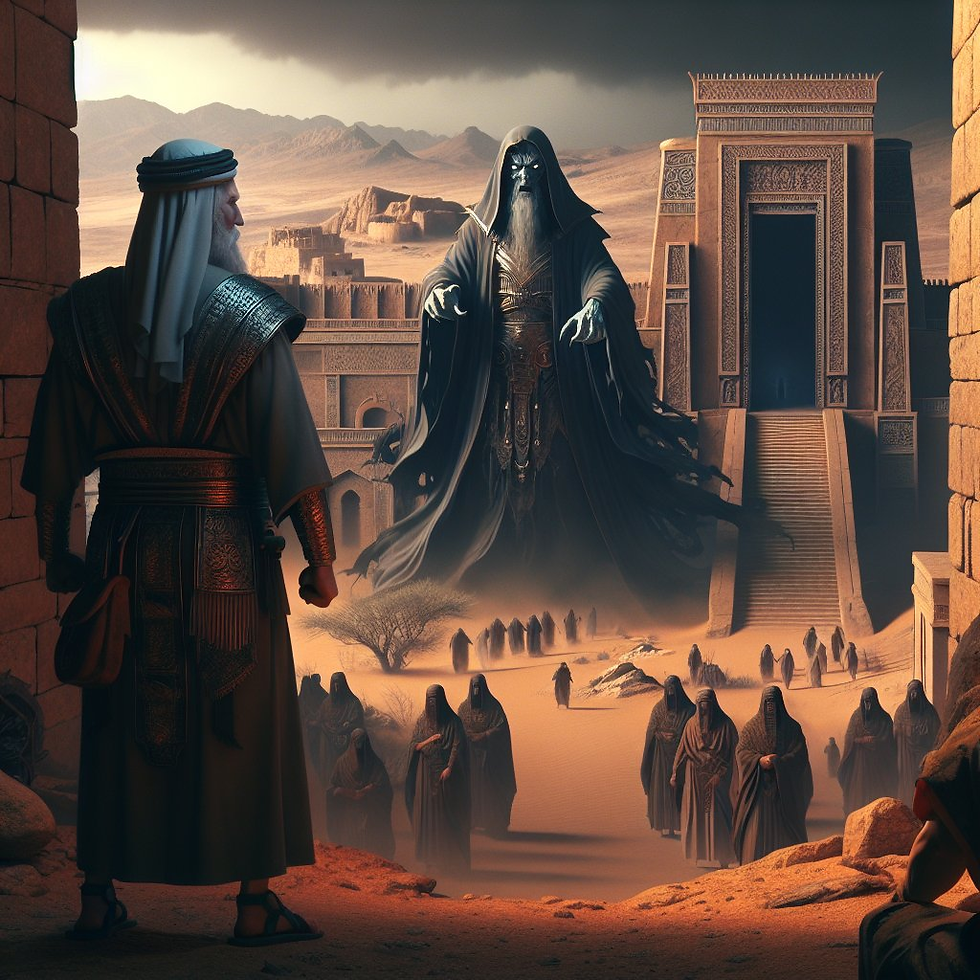
16 David looked up and saw the angel of the Lord standing between heaven and earth, with a drawn sword in his hand extended over Jerusalem. Then David and the elders, clothed in sackcloth, fell facedown.
21:17 하나님께 아뢰되 명령하여 백성을 계수하게 한 자가 내가 아니니이까 범죄하고 악을 행한 자는 곧 나이니이다 이 양떼는 무엇을 행하였나이까 청하건대 나의 하나님 여호와여 주의 손으로 나와 내 아버지의 집을 치시고 주의 백성에게 재앙을 내리지 마옵소서 하니라
17 David said to God, “Was it not I who ordered the fighting men to be counted? I, the shepherd, have sinned and done wrong. These are but sheep. What have they done? Lord my God, let your hand fall on me and my family, but do not let this plague remain on your people.”
모세는 이스라엘이 왕정시대에 들어가기 훨씬 전에 너희가 우리도 우리 주위의 모든 민족들 같이 우리 위에 왕을 세워야겠다는 생각이 나거든(신 17:14)이라고 전제하며 이스라엘 왕에 대한 조건을 기록합니다.
그 조건을 요약하자면 이스라엘 왕은 절대로 타국인으로 세우지 말 것, 병마를 많이 두지 말 것, 아내들을 많이 두지 말 것, 은금을 많이 쌓지 말 것이라는 4가지 부정명령과 단 한가지 긍정명령 율법서, 곧 말씀을 복사하여 항상 곁에 두고 그 말씀을 지켜 행하라는 것입니다.
그렇다면 본문에서 다윗 범한 인구 조사의 죄는 이스라엘 왕이 범하지 말아야 할 죄 중에서 어떤 목록에 해당하는 죄일까요? 그것은 병거를 많이 두는 죄에 해당하는 죄악이었습니다. 인구 조사는 자신의 세를 과시하는 교만의 마음에서 시작된 죄악입니다. 신정국가인 이스라엘은 병력의 많고 적음이 문제가 되지 않는 나라입니다. 그런 점에서 다윗의 인구조사는 하나님 앞에 심각한 교만의 죄였던 것입니다.
다윗이 인구 조사를 명령한 때에 그의 나이는 적어도 67세 정도로 다윗의 노년기에 벌어진 사건입니다. 역사적으로는 B.C.973년 정도로 예상합니다. 나이가 들면 일반적으로 사람들은 몸과 마음이 약해집니다. 다윗도 예외는 아닙니다. 그리고 죄에는 반드시 형벌, 하나님의 심판이 따릅니다. 죄에는 벌이 있습니다.
Long before Israel entered the period of the monarchy, Moses presupposed, "When you say, 'Let us set a king over us like all the nations around us'" (Deuteronomy 17:14), and recorded the qualifications for a king of Israel.
To summarize those conditions, there were four negative commands: the king of Israel must never be a foreigner, must not acquire a great number of horses, must not take many wives, and must not accumulate large amounts of silver and gold. There was also a single positive command: to copy the book of the law—that is, the Word of God—keep it always beside him, and carefully obey it.
Which of the sins forbidden to an Israelite king did David commit when he ordered the census? It fell under the sin of acquiring a great number of horses (military strength). The census was a sin that stemmed from a heart of pride, seeking to flaunt his own power. In Israel, a theocratic nation, the size of military forces was never the decisive factor. In that regard, David’s census was a grave sin of pride before God.
When David ordered the census, he was at least 67 years old, making this an event from his later years. Historically, it is estimated to have occurred around 973 B.C. As people grow old, their bodies and minds generally weaken, and David was no exception. And sin always carries punishment—God's judgment. Where there is sin, there is retribution.

죄와 벌 (9~14절)
갓 선지자는 하나님의 신탁을 전합니다. 그것은 하나님께서 세 가지 심판안을 내 놓으실 것인데, 다윗이 마음대로 그것을 택하면 하나님께서 그대로 행하신다는 말씀입니다. 삼 년 동안 기근이 있을지, 석 달 동안 다윗이 대적에게 쫓길지, 삼 일 동안 전국에 전염병이 있을지 중에서 하나를 택해야 합니다.
본문과 병행하는 구절인 사무엘하 24:13절에서는 삼 년이 아닌 칠 년 동안의 기근으로 나옵니다. 여러가지 고려했을 때 아마도 삼 년 기근이 옳은 듯 합니다. 히브리어 3과 7은 매우 비슷한데, 그것을 베껴 쓰면서 필사자가 실수한 것으로 여겨집니다.
어쨌든 중요한 것은 삼 년, 석 달, 삼 일의 심판의 기간입니다. 만일 내가 다윗이라면 어떤 것을 택하겠습니까? 사실 다윗이 조금만 더 생각했다면 석 달 동안 자신이 도망자가 되는 것을 택하는 것이 맞다고 생각합니다. 하지만 오랜 기간 도망자 신세였던 다윗은 그에 대한 트라우마가 있는 듯 합니다. 그는 사람에게 시달리는 것보다 하나님의 직접적인 심판을 받겠다고 말합니다. 사람만큼 힘든 고난은 없습니다.
그래서 그는 가장 짧은 기간의 심판인 삼 일 동안의 전염병을 택합니다. 그런데 그 결과는 7만명의 백성이 죽는 것이었습니다. 다윗도 아차 싶었을 것 같습니다. 죄는 본인이 지었는데, 벌을 받는 것은 백성들이 죽어나가니 말입니다.
그래도 이렇게 자신이 받은 벌을 택할 수 있게 해주시는 것은 특별한 은혜입니다. 아닌가요? 하긴 어렸을 때 부모님이나 선생님이 몇 대 맞을래? 라고 물어보면 빵대요, 또는 한 대요! 라고 말하고 싶은데 그러지 못해서 더 괴롭기도 했던 기억이 납니다. 차라리 알아서 혼내주시지…
다윗의 선택으로 7만명이나 되는 백성이 목숨을 잃었습니다. 죄의 결과는 이렇게 참혹합니다. 죄에는 항상 벌이 따릅니다. 긍휼이 많으신 하나님은 다윗을 살려주시지만, 죄는 반드시 누군가 죽어야 끝나는 것입니다. 우리의 죄도 마찬가지입니다. 예수님이 죽지 않으면, 우리의 벌은 끝나지 않았을 것입니다. 나의 과거와 현재와 미래의 모든 죄를 짊어지시고 십자가에서 죽으신 예수님의 죽음으로 말미암아 우리가 죄 사함을 받습니다. 이것이 긍휼이 많으신 하나님의 은혜입니다. 죄에는 반드시 벌이 따릅니다.
Sin and Punishment (Verses 9–14)
The prophet Gad delivers God's oracle. God presents three options for judgment, allowing David to choose one for God to carry out. David must choose between three years of famine, three months of fleeing from his enemies, or three days of plague throughout the land.
In the parallel passage, 2 Samuel 24:13, it appears as seven years of famine rather than three years. Taking various factors into consideration, three years of famine seems to be the correct reading. In Hebrew, the numbers 3 and 7 look very similar, so this is likely a scribal error made while copying the text.
Regardless, the key detail lies in the duration of the judgments: three years, three months, or three days. If you were David, which would you choose? Frankly, if David had given it a bit more thought, choosing to be a fugitive for three months would have been the right move. However, having lived as a fugitive for so long, David seems to have carried deep trauma from that experience. He confesses that he would rather fall into the hands of God’s direct judgment than suffer at the hands of men. After all, few trials are as agonizing as those inflicted by human hands.
So he chooses the shortest sentence: three days of plague. But the result was devastating—70,000 people lost their lives. David must have felt a sudden, heart-wrenching shock. He was the one who sinned, yet his people were the ones dying for it.
Still, being given the choice of one's own punishment is a rare kind of grace, isn't it? Though it brings to mind childhood memories of a parent or teacher asking, "How many hits do you deserve?" You want to answer "Zero!" or "Just one!", but you can't, which only makes the anxiety worse. Sometimes you just wished they would decide the punishment for you...
Because of David's choice, 70,000 lives were lost. Such is the brutal reality of sin. Sin always brings punishment. Though God, in His abundant mercy, spared David's life, sin ultimately requires a death to be resolved. The same applies to our sins. Had Jesus not died, our punishment would never have ended. Through the death of Jesus on the cross—bearing all of our past, present, and future sins—we receive forgiveness. This is the grace of a merciful God. Sin always brings punishment.

죄와 예배 (15~17절)
다윗의 위대한 점이 무엇이라고 생각하십니까? 다윗은 우리와 똑같은 죄인으로서 심지어 우리보다 더한 죄악을 저지른 사람입니다. 아마도 노는 물이 달라서 그런 것 같습니다. 왕이니까 왕답게 우리는 생각지도 못한 죄를 저질렀습니다. 그럼에도 하나님은 그를 아끼시고 사랑합니다. 왜일까요?
일방적, 절대적인 하나님의 사랑과 은혜일 것입니다. 그것을 제외하고 인간적인 측면에서 접근한다면, 17절이 다윗의 위대함을 대변한다고 생각합니다. 잠시 생각이 짧아 삼 일 동안의 전염병을 선택했지만, 그 결과를 보고는 자신이 또 잘못했음을 깨달은 것입니다. 철저하게 이기적이며, 계산적인 다윗 자신을 발견합니다. 그런데 다윗은 그것을 솔직하게 고백합니다.
하나님께 아뢰되 명령하여 백성을 계수하게 한 자가 내가 아니니이까 범죄하고 악을 행한 자는
곧 나이니이다 이 양 떼는 무엇을 행하였나이까 청하건대 나의 하나님 여호와여 주의 손으로
나와 내 아버지의 집을 치시고 주의 백성에게 재앙을 내리지 마옵소서 하니라 (17)
위대한 지도자의 회개기도요, 중보기도입니다. 다윗은 오르난의 타작마당이 있는 곳, 하늘과 땅 사이에서 예루살렘을 향하여 칼을 빼들고 서있는 하나님의 천사를 봅니다. 병행구절인 사무엘하와 비교하면 오르난의 이름이 아리우나로, 천사가 그저 그의 타작마당에 서 있는 것으로 묘사되는 것입니다. 문제 없습니다. 오르난은 멸망 받아야 할 여부스 민족인데, 그들의 언어로 아리우나로 불린 것입니다. 천사는 땅에 서 있을 수도 있고, 공중에 떠 있을 수도 있습니다.
다윗은 장로들과 더불어 굵은 베옷을 입고 얼굴을 땅에 대고 엎드려 철저하게 회개합니다. 그 결과가 15절이라고 생각합니다. 하나님의 뉘우치심입니다. 뉘우쳤다 라를 동사는 히브리어 나함으로 인간에게 사용될 때는 회개했다는 의미입니다. 그러니까 역대기 저자는 다윗이 나함(회개)하니까, 하나님도 나함(후회)하시고 재앙을 거두셨다고 말하는 것입니다. 신인동성동형적 표현입니다.
하나님은 절대로 후회하시지 않는 분입니다. 다만 인간적인 표현을 빌려 그렇게 표현한 것입니다. 이 정도면 족하다는 것입니다. 그래서 학자들은 아마도 삼 일이 아닌 하루 정도의 전염병이 있었던 것으로 봅니다. 다윗이 백성들이 너무 많이 죽으니 놀라서 나를 죽여 달라고 회개 기도를 하자, 하나님이 뜻하신 바를 이루었기에 급히 재앙을 거두신 것입니다.
Sin and Worship (Verses 15–17)
What do you think makes David so great? David was a sinner just like us, and in fact, he committed sins far worse than ours. Perhaps that is because he moved in a different realm—being a king, he committed sins on a scale we would never even imagine. Even so, God cherished and loved him. Why?
First and foremost, it is due to God’s unconditional and absolute love and grace. But looking at it from a human perspective, I believe verse 17 best demonstrates David's greatness. Though a temporary lapse in judgment led him to choose three days of plague, upon seeing the consequences, he immediately realized his mistake. He came face-to-face with his own thoroughly selfish and calculating nature. Yet, David confessed it with absolute honesty:
David said to God, "Was it not I who ordered the fighting men to be counted? I, the shepherd, have sinned and done wrong. These sheep, what have they done? Lord my God, let your hand fall on me and my family, but do not let this plague remain on your people." (v. 17)
This is the repentance and intercessory prayer of a great leader. David sees the angel of the Lord standing between heaven and earth at the threshing floor of Ornan, holding a drawn sword over Jerusalem. When compared to the parallel passage in 2 Samuel, Ornan is named Araunah, and the angel is described simply as standing at his threshing floor. This poses no conflict—Ornan was a Jebusite, a nation slated for destruction, and "Araunah" was likely his name in his native language. Furthermore, an angel can stand on the ground or hover in the air.
David, together with the elders, dressed in sackcloth and fell facedown to the ground in thorough repentance. I believe the result of this is shown in verse 15: God's relenting. The verb translated as "relented" is the Hebrew word naham, which, when applied to humans, means "repented." Thus, the author of Chronicles suggests that because David practiced naham (repentance), God also responded with naham (relenting/grieving) and withdrew the disaster. This is an anthropomorphic expression.
God Himself never regrets or changes His mind in a human sense. The text simply uses human language to express that He deemed the judgment sufficient. For this reason, scholars generally believe the plague lasted only about a day rather than the full three days. Distressed by the heavy loss of life among his people, David prayed in repentance, asking God to take his own life instead; having fulfilled His purpose, God swiftly stayed the plague.

마지막으로 다윗이 왜 인구를 조사하는 죄를 범하게 되었을까 생각해 봅니다. 다윗의 모든 죄악을 제외하고 역대기 저자는 유일하게 인구조사의 죄악만을 기록합니다. 그리고 그 이유는 하나님의 선택하신 임재의 장소인 오르난의 타작마당과 연관이 있기 때문입니다. 결국 다윗의 범죄는 그의 무너진 예배, 또는 약해진 예배 때문이라고 추정할 수 있습니다. 하나님은 이러한 재앙을 통해서 성전부지를 정하시고, 다윗의 예배를 회복시킵니다. 결국 모든 죄는 우리의 무너진 예배에서 시작됩니다. 예배를 소홀하게 생각할 때 사탄이 틈을 타서 우리를 시험에 들게 합니다. 예배가 무너질 때 우리의 신앙과 축복도 무너지게 됩니다. 멸망 받아야 할 여부스 족속이었지만 하나님의 선택하심을 받고, 자신의 집터가 하나님의 성전터가 된 오르난을 보면서 큰 감동을 받습니다. 오르난과 그의 아들들은 어떤 사람이었을까요? 오직 하나님의 은혜로 밖에는 설명할 길이 없습니다. 이러한 하나님의 은혜가 우리에게도 있음을 믿습니다.
Finally, let us reflect on why David fell into the sin of conducting a census. Apart from this incident, the author of Chronicles excludes David's other major sins, recording only the sin of the census. This is because it is directly tied to Ornan’s threshing floor—the site chosen for God’s divine presence. Ultimately, we can infer that David’s crime stemmed from a broken or weakened life of worship. Through this calamity, God designated the location for the Temple and restored David’s worship. In the end, all sin originates from our broken worship. When we treat worship carelessly, Satan finds an opening to lead us into temptation. When worship collapses, our faith and blessings collapse as well.
It is deeply moving to look at Ornan, a Jebusite who deserved destruction, yet was chosen by God to have his home's land become the site of God’s Temple. What kind of men were Ornan and his sons? It can be explained by nothing short of God’s grace alone. I believe that this very grace of God rests upon us as well.


댓글