
20261008 | 새벽묵상 | 죄의 자리에서 예배의 길을 여신 하나님 God Who Opened the Way of Worship from the Place of Sin | 대상/1Chron 21:1~8
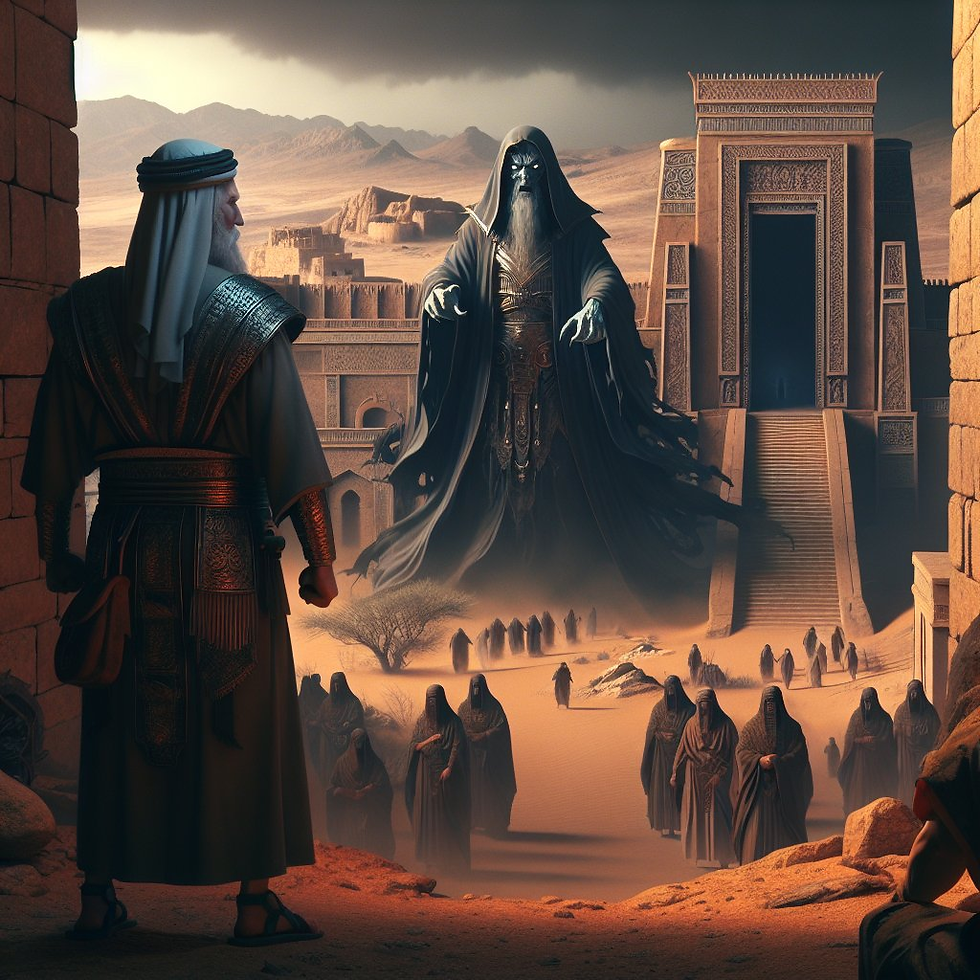
21:1 사탄이 일어나 이스라엘을 대적하고 다윗을 충동하여 이스라엘을 계수하게 하니라
21:2 다윗이 요압과 백성의 지도자들에게 이르되 너희는 가서 브엘세바에서부터 단까지 이스라엘을 계수하고 돌아와 내게 보고하여 그 수효를 알게 하라 하니
David Counts the Fighting Men
1 Satan rose up against Israel and incited David to take a census of Israel. 2 So David said to Joab and the commanders of the troops, “Go and count the Israelites from Beersheba to Dan. Then report back to me so that I may know how many there are.”
21:3 요압이 아뢰되 여호와에서 그 백성을 지금보다 백 배나 더하시기를 원하나이다 내 주 왕이여 이 백성이 다 내 주의 종이 아니니이까 내 주께서 어찌하여 이 일을 명령하시나이까 어찌하여 이스라엘이 범죄하게 하시나이까 하나
3 But Joab replied, “May the Lord multiply his troops a hundred times over. My lord the king, are they not all my lord’s subjects? Why does my lord want to do this? Why should he bring guilt on Israel?”
21:4 왕의 명령이 요압을 재촉한지라 드디어 요압이 떠나 이스라엘 땅에 두루 다닌 후에 예루살렘으로 돌아와
21:5 요압이 백성의 수효를 다윗에게 보고하니 이스라엘 중에 칼을 뺄 만한 자가 백십만 명이요 유다 중에 칼을 뺄 만한 자가 사십칠만 명이라
4 The king’s word, however, overruled Joab; so Joab left and went throughout Israel and then came back to Jerusalem. 5 Joab reported the number of the fighting men to David: In all Israel there were one million one hundred thousand men who could handle a sword, including four hundred and seventy thousand in Judah.
21:6 요압이 왕의 명령을 마땅치 않게 여겨 레위와 베냐민 사람은 계수하지 아니하였더라
21:7 하나님이 이 일을 악하게 여기사 이스라엘을 치시매
6 But Joab did not include Levi and Benjamin in the numbering, because the king’s command was repulsive to him. 7 This command was also evil in the sight of God; so he punished Israel.
21:8 다윗이 하나님께 아뢰되 내가 이 일을 행함으로 큰 죄를 범하였나이다 이제 간구하옵나니 종의 죄를 용서하여 주옵소서 내가 심히 미련하게 행하였나이다 하니라
8 Then David said to God, “I have sinned greatly by doing this. Now, I beg you, take away the guilt of your servant. I have done a very foolish thing.”
오늘의 말씀은 역대상의 최후반부의 시작을 알립니다. 앞의 18-20장은 하나님의 약속이 성취되어 다윗의 대적들이 다윗에게 복종하는 과정을 기록하였었지요. 그때에 역대기 저자는 다윗의 밧세바 사건은 기록하지 않았지만, 인구조사 사건은 빼놓지 않았습니다. 이 사건은 다윗이 어떻게 하나님 앞에 범죄하게 되는지, 그리고 그의 회개를 통해 제단이 세워지는 장면으로까지 이어지지요. 바로 오늘의 본문이 핵심이 되어 역대상의 마지막 22-29장은 하나님을 예배하는 성전 터가 어떻게 정해지는지 그리고 그 성전이 다윗의 시대에 어떻게 준비되는지를 다루게 됩니다. 다윗은 분명 실패하였고 고의적으로 하나님께 죄를 지었지만 그가 자신의 죄를 고백하고 하나님의 용서를 구했을 때에 그의 죄의 자리를 하나님께서는 당신을 예배하는 자리로 바꾸신 것입니다. 오늘은 다윗의 범죄와 회개를 보며 “죄의 자리에서 예배의 길을 여신 하나님”이라는 제목으로 말씀을 나누기 원합니다.
Introduction
Today’s passage marks the beginning of the final section of 1 Chronicles. The preceding chapters (chapters 18–20) recorded the fulfillment of God’s promise as David’s enemies were brought into subjection to him. At that time, while the author of Chronicles omitted David’s incident with Bathsheba, he did not omit the census. This event leads into how David sinned before God, and how through his repentance, an altar was ultimately established.
With today’s passage at its core, the final chapters of 1 Chronicles (chapters 22–29) focus on how the site for the temple of worship was determined and how that temple was prepared during David’s era.
David clearly failed and deliberately sinned against God. Yet, when he confessed his sin and sought God’s forgiveness, God transformed the very site of his sin into a place of worship. Today, as we look at David’s sin and repentance, I would like to share a message titled: “God Who Opened the Way of Worship from the Place of Sin.”

먼저 다윗의 죄악에 대해서 살펴보기 원합니다. 1절은 이렇게 시작합니다. 함께 읽겠습니다. “사탄이 일어나 이스라엘을 대적하고 다윗을 충동하여 이스라엘을 계수하게 하니라” 같은 말씀을 평행 본문인 사무엘하 24:1은 “여호와께서 다시 이스라엘을 향하여 진노하사 그들을 치시려고 다윗을 격동시키사” 라고 적고 있습니다. 자, 그렇다면 역대기 기자는 분명한 의도를 가지고 사무엘하 본문을 수정한 것이겠지요. 여기에는 여러가지 견해가 있지만, 제가 집중하고 싶은 것은 역대기는 충동의 주체를 사탄으로 수정함으로 그 죄의 책임이 다윗에게 있음을 분명히 한다는 것입니다. 이는 본문에서도 찾아볼 수 있습니다. 2절에서 다윗이 요압과 백성의 지도자들에게 인구조사를 명령하자 3절에서 요압이 반발을 합니다. 요압은 탄식하며 묻습니다. “내 주께서 어찌하여 이 일을 명령하시나이까 어찌하여 이스라엘을 범죄하게 하시나이까” 요압은 다윗에게 분명히 말하고 있는 것입니다. 지금 다윗이 하는 행동은 다윗 뿐만 아니라 온 이스라엘로 하여금 하나님 앞에 범죄하게 만들어 하나님의 재앙 아래 놓이게 만드는 행동이라는 것입니다. 여러분 다윗이 밧세바와 동침하고 우리야를 죽이라고 요압에게 시킬때에 요압이 다윗에게 한마디라도 하는 것을 보신적이 있습니까? 오히려 왕의 명령대로 우리야를 최전방에 세워 죽이고는 다윗만이 알게끔 비밀스럽게 보고서를 적어서 보고한 사람이 요압입니다. 이런 요압이 다윗에게 반발했다면 다윗도 들어야 하지 않았겠습니까? 그런데 다윗은 어떻게 합니까? 4절을 보니 요압을 재촉했다고 나옵니다. 다윗이 요압을 얼마나 재촉했는지 요압이 인구조사를 하러 나갈 때에 ‘드디어 요압이 떠났다’ 라고 적고 있지요. 그렇다면 대체 다윗의 죄가 무엇이기에 이렇게 큰 죄악으로 여겨지는가? 5절을 보면 우리는 그 죄의 실체가 무엇인지 알 수 있습니다. “이스라엘 중에 칼을 뺄 만한 자가 백십만 명이요 유다 중에 칼을 뺄 만한 자가 사십칠만명이라” 다윗이 인구조사를 통해 확인하려고 했던 것은 바로 ‘칼을 뽑는 자’의 수였습니다. 즉, 동원할 수 있는 군사들의 수였던 것이지요. 하나님이 세우시고 지키시는 나라의 왕이 그 나라의 안전을 하나님이 아니라 군사의 수에 의지하려 한 것입니다. 한낱 양치기에 불과할 때에는 골리앗 앞에서 “여호와의 구원하심이 칼과 창에 있지 아니함”을 외쳤던 다윗이 정작 가장 강성부국할 때에 하나님이 아니라 군사에 자신의 마음을 의지하려 하였던 것입니다. 6절을 보면 “요압이 왕의 명령을 마땅치 않게 여겨”라고 적고 있습니다. 원문으로는 ‘혐오하다,’ ‘가증스럽게 여기다’라는 말로 요압이 이 일을 개역 개정과 같이 그저 내키지않아 했던 정도가 아니라 가증하고 혐오했다는 것입니다. 또한 7절은 쐐기를 박습니다. “하나님이 이 일을 악하게 여기”셨다는 것입니다. 요압의 혐오와 하나님의 진노가 같은 곳을 가르키고 있는 것입니다. 그 결국은 이스라엘 전체에 임한 하나님의 심판이었습니다. 본문이 말하고자 하는 것은 이것입니다. 다윗이 행한 범죄는 대적의 꾀임에 넘어간 다윗의 잘못이며, 그는 충신의 간언에 의해 이것이 하나님의 진노를 자신 뿐만 아니라 백성들에게 불러오는 일임을 알았음에도 불구하고 그 일을 밀어붙였습니다. 그리고 이것은 사람의 눈 뿐만 아니라 하나님의 눈에 악한 것이었습니다. 완전한 실패, 변명의 여지가 없는 죄악인 것입니다.
1. The Nature of David's Sin: Placing Trust in Military Might (vv. 1–7)
First, let us examine David's sin. Verse 1 begins like this:
“Satan rose up against Israel and incited David to take a census of Israel.”
The parallel passage in 2 Samuel 24:1 states: “Again the anger of the LORD burned against Israel, and he incited David against them...” Naturally, the author of Chronicles modified the Samuel text with a clear intention. While there are various scholarly views on this, what I want to emphasize is that Chronicles specifies Satan as the instigator to make it undeniably clear that the ultimate responsibility for the sin rests upon David.
We can also see this within the text itself. In verse 2, when David orders Joab and the commanders of the army to take a census, Joab objects in verse 3, asking in lament:
“Why does my lord want to do this? Why should he bring guilt on Israel?”
Joab was telling David clearly: what David was doing would cause not only David himself but all of Israel to sin before God and fall under divine judgment.
Have you ever seen Joab utter a single word of protest when David slept with Bathsheba and commanded Joab to have Uriah killed? No, Joab was the very one who put Uriah on the front lines to be killed according to the king's command, and then sent a discreet report intended for David alone. If even Joab opposed David on this matter, shouldn't David have listened?
Yet what did David do? Verse 4 tells us that the king’s word prevailed over Joab—David overruled and pressed Joab. David pushed Joab so hard that the text notes Joab departed to carry out the census.
Why, then, was David’s action considered such a severe transgression? Verse 5 reveals the true nature of his sin:
“Joab reported the number of the fighting men to David: In all Israel there were one million one hundred thousand men who could handle a sword, including four hundred and seventy thousand in Judah.”
What David wanted to verify through the census was the number of men “who could handle a sword”—that is, the number of troops he could mobilize. The king of a nation established and protected by God sought to place his security not in God, but in the size of his army.
When David was merely a young shepherd, he had declared before Goliath that “the LORD saves not with sword and spear.” Yet when he was at his most powerful and prosperous, he relied in his heart on military forces rather than God.
Verse 6 notes: “Joab did not include Levi and Benjamin in the numbering, because the king’s command was repulsive to him.” The original Hebrew word translated as “repulsive” (or “detestable”) indicates that Joab didn't just feel reluctant; he viewed this act with utter disgust and abhorrence.
Furthermore, verse 7 drives the point home: “This command was also evil in the sight of God; so he punished Israel.” Joab’s revulsion and God’s wrath pointed to the very same reality. The ultimate outcome was God's judgment upon all of Israel.
What this text conveys is clear: David’s crime was his own fault, yielding to the adversary’s incitement. Even though he knew—through the earnest counsel of his subject—that this act would bring God’s wrath upon both himself and his people, he forced it through anyway. This was evil not only in human eyes but in the eyes of God. It was a complete failure, an inexcusable sin.

그런데 여기서 반전이 일어납니다. 다윗이 하나님께 돌아와 죄를 고백하고 용서를 구하는 것입니다. 다윗은 고백합니다. “내가 큰 죄를 범하였나이다” 다윗의 고백은 자신의 행위를 축소하거나 변명하지 않습니다. 자신의 죄를 있는 그대로 인식하고 하나님께 나아갑니다. 우리는 본문의 다윗의 회개 기도를 통해 모범적인 회개의 모습을 봅니다. 첫째, 다윗은 죄를 지은 사람이 자신임을 인정합니다. “내가 이 일을 행함으로 큰 죄를 범하였나이다.” 죄의 주체가 오직 자신임을 고백하고 있습니다. 두번째, 죄의 해결은 하나님의 용서에 달려있음을 고백합니다. “이제 간구하옵나니 종의 죄를 용서하여 주옵소서.” 성경에서 죄는 가장 먼저 하나님의 법도와 주권을 침범하는 행위입니다. 그래서 그는 가장 먼저 피해를 입은 백성에게서가 아니라 하나님의 용서를 구하는 것입니다. 그의 백성에 대한 마음은 내일 말씀에 잘 나와 있습니다. 세번째, 자신의 행위가 단순한 실수나 판단착오가 아니라 하나님을 거역한 죄악일 뿐만아니라 지혜가 없는 ‘어리석음’이었음을 인정합니다. “내가 심히 미련하게 행하였나이다.” 성경에서 ‘미련한’사람은 지식이 부족한 사람이 아니라 마땅히 인정해야 할 하나님을 자신의 삶에서 제외하는 사람을 말합니다. 다윗은 자신이 하나님을 배제한 결정을 하였으며 그것이 미련한 일이라는 것을 하나님 앞에 완전히 인정하고 있는 것입니다.
2. David's True Repentance (v. 8)
Yet here a dramatic turning point occurs. David returns to God, confesses his sin, and begs for forgiveness. David confesses:
“I have sinned greatly in doing this.”
David's confession does not downplay his actions or make excuses. He recognizes his sin for what it truly is and comes before God. Through David’s prayer of repentance in verse 8, we see a model of true repentance:
David acknowledges that he himself is the offender: “I have sinned greatly by doing this.” He confesses that he alone is responsible for the sin.
He confesses that the resolution of sin rests entirely upon God’s forgiveness: “Now I beg you, take away the guilt of your servant.” In Scripture, sin is primarily an offense against God's law and sovereignty. That is why he seeks God’s forgiveness first, rather than turning first to the people who suffered. (His heart for his people is clearly revealed in tomorrow’s passage.)
He admits that his action was not merely a simple mistake or misjudgment, but utter foolishness: “I have done a very foolish thing.” In the Bible, a "foolish" person is not someone who lacks knowledge, but someone who excludes God—who ought to be acknowledged—from their life. David fully acknowledges before God that he made a decision excluding Him, and that doing so was completely foolish.

말씀을 맺습니다. 오늘 우리는 다윗의 죄악이 얼마나 처절한 것이며 변명의 여지가 없는 완전한 실패임을 보았습니다. 그러나 다윗은 그 죄악의 자리에서 하나님께 돌아와 죄를 고백하고 하나님의 용서를 구합니다. 자신의 미련함을 인정하고 완전히 회개하는 것입니다. 인간의 완전한 실패로 끝날 수 있었던 이야기는 이제 완전히 다른 국면으로 접어듭니다. 하나님께서 다윗의 죄와 회개를 통하여 성전과 예배를 세우시는 놀라운 구속의 역사를 쓰시기 때문입니다. 우리의 죄악과 죄의 자리를 바꾸셔서 예배의 길을 열어주셨습니다. 우리는 십자가에서 바로 그 역사가 이루어졌던 것을 기억합니다. 우리의 모든 죄악을 짊어지시고 십자가에서 보혈을 흘리시며 돌아가신 예수님. 그 예수님의 죽으심으로 인하여 우리는 하나님께 담대히 나아갈 수 있게 되었습니다. 하나님을 예배 할 수 있게 되었습니다. 이 회개의 길을 기억하시고 다시금 주님께 나아가는 여러분 되시기를 주님의 이름으로 축원합니다.
Conclusion
Today, we have seen how heartbreaking David’s sin was—a complete failure with no excuse. Yet, from that very place of sin, David returned to God, confessed his sin, and sought God’s forgiveness. He acknowledged his foolishness and repented thoroughly.
A story that could have ended in utter human failure now enters an entirely new dimension. Through David’s sin and repentance, God writes a miraculous history of redemption by establishing the temple and worship. He took the site of human sin and transformed it to open a path for worship.
We remember that this very history was accomplished on the cross. Jesus bore all our sins and shed His precious blood on the cross—and through His death, we are now able to come boldly before God and worship Him.
May you remember this path of repentance and come before the Lord once again. I pray this in the name of the Lord. Amen.



댓글