
20260930 [새벽묵상] 부르신 곳에서 예배하는 예배자 A Worshipper Who Worships Where Called (대상/1Chron 16:37~43)
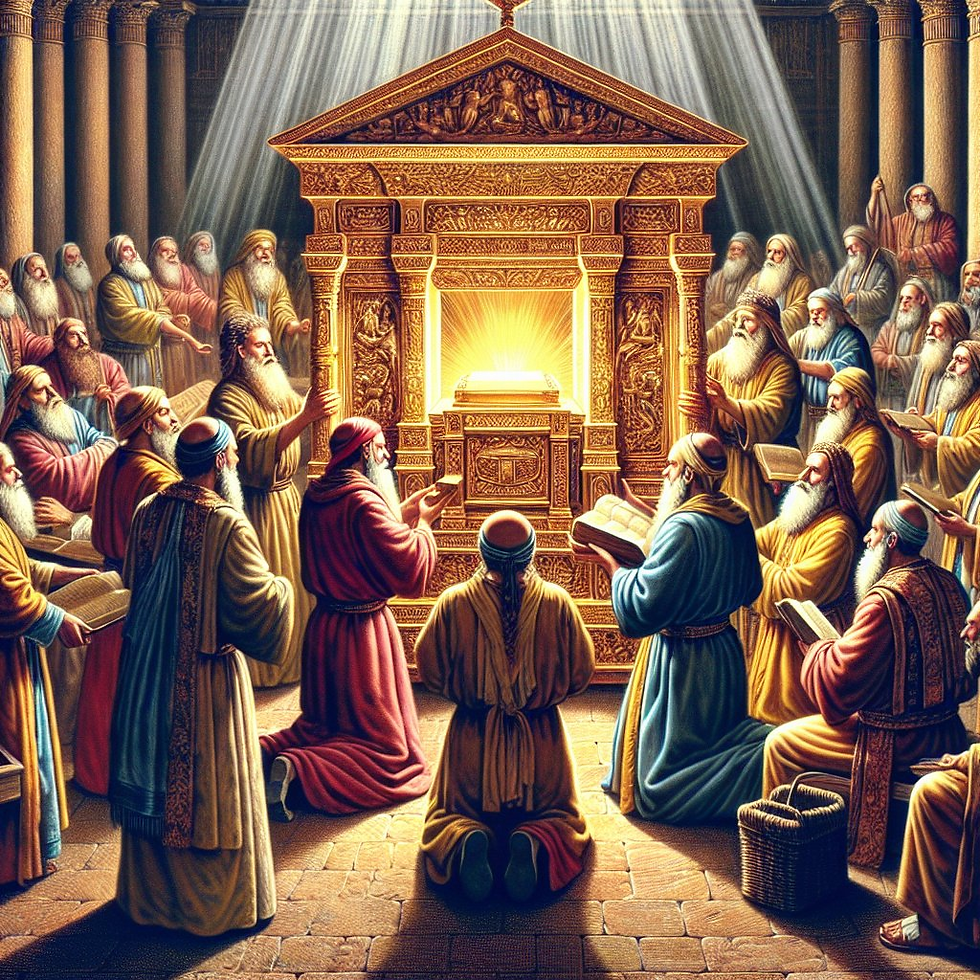
16:37 다윗이 아삽과 그의 형제를 여호와의 언약궤 앞에 있게 하며 항상 그 궤 앞에서 섬기게 하되 날마다 그 일대로 하게 하였고
16:38 오벧에돔과 그의 형제 육십팔 명과 여두둔의 아들 오벧에돔과 호사를 문지기로 삼았고
37 David left Asaph and his associates before the ark of the covenant of the Lord to minister there regularly, according to each day’s requirements. 38 He also left Obed-Edom and his sixty-eight associates to minister with them. Obed-Edom son of Jeduthun, and also Hosah, were gatekeepers.
16:39 제사장 사독과 그의 형제 제사장들에게 기브온 산당에서 여호와의 성막 앞에 모시게 하여
16:40 항상 아침저녁으로 번제단 위에 여호와께 번제를 드리되 여호와의 율법에 기록하여 이스라엘에게 명령하신 대로 다 준행하게 하였고
16:41 또 여호와의 인자하심이 영원하시므로 그들과 함께 헤만과 여두둔과 그리고 택함을 받아 지명된 나머지 사람을 세워 감사하게 하였고
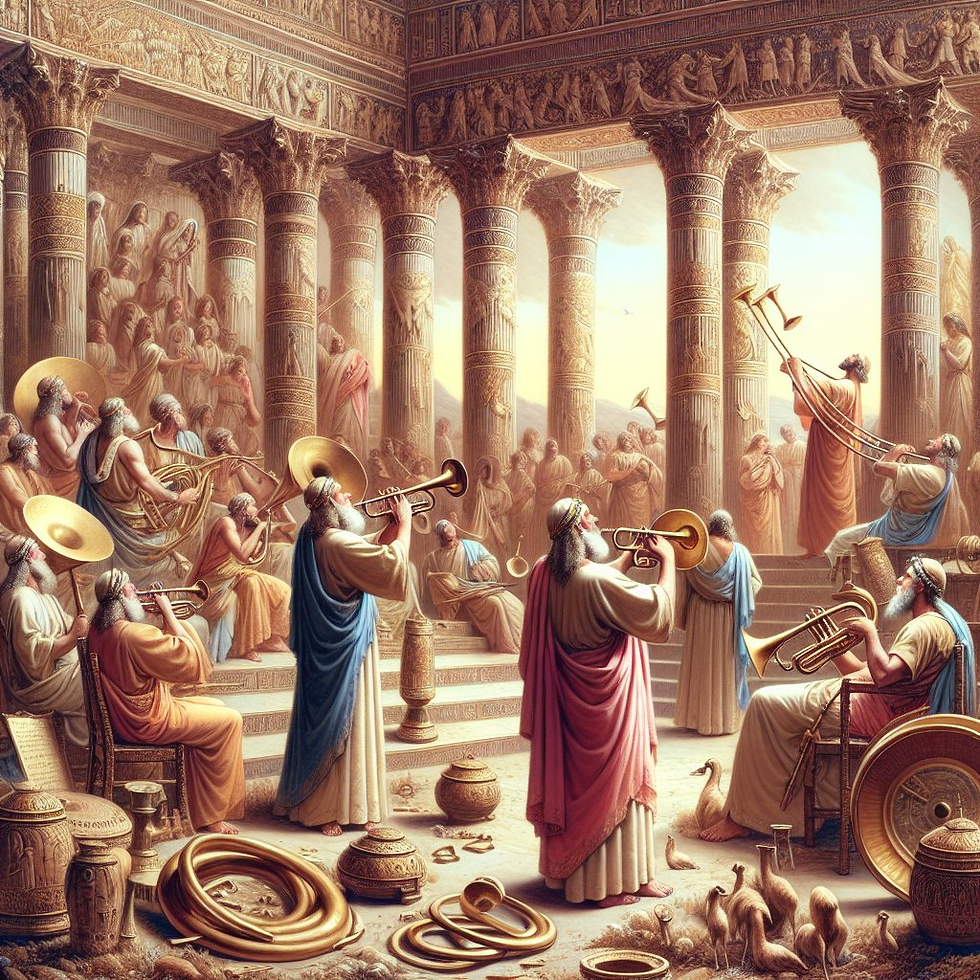
16:42 또 그들과 함께 헤만과 여두둔을 세워 나팔과 제금들과 하나님을 찬송하는 악기로 소리를 크게 내게 하였고 또 여두둔의 아들에게 문을 지키게 하였더라
39 David left Zadok the priest and his fellow priests before the tabernacle of the Lord at the high place in Gibeon 40 to present burnt offerings to the Lord on the altar of burnt offering regularly, morning and evening, in accordance with everything written in the Law of the Lord, which he had given Israel. 41 With them were Heman and Jeduthun and the rest of those chosen and designated by name to give thanks to the Lord, “for his love endures forever.” 42 Heman and Jeduthun were responsible for the sounding of the trumpets and cymbals and for the playing of the other instruments for sacred song. The sons of Jeduthun were stationed at the gate.
16:43 이에 뭇 백성은 각각 그 집으로 돌아가고 다윗도 자기 집을 위하여 축복하려고 돌아갔더라
43 Then all the people left, each for their own home, and David returned home to bless his family.
마커스워십의 찬양 중에 ‘부르신 곳에서’ 라는 찬양이 있습니다. “부르신 곳에서 나는 예배하네 어떤 상황에도 나는 예배하네” 라는 후렴구로 유명한 찬양이지요. 이 찬양은 마커스의 설립자이자 디렉터인 김준영 대표가 집에서 단 20분 만에 가사를 써서 완성한 곡이라고 합니다. 그래서일까요? 그는 이 곡이 마커스 초창기에 쓰여진 곡인데 그만큼 부족함이 많은 가사라고 쓴 바가 있습니다. 그러나 그는 오히려 그렇기에 그 진정성이 더 드러난다고 말합니다. 그가 이야기 하고 싶었던 것은 가사와 같이 예배의 시공간은 특정한 시간에 드리는 회중예배나 공예배만으로 한정되지 않는다는 것이었습니다. 하나님이 부르신 곳이 내가 예배해야 할 곳이고 어떤 상황과 환경에도 예배한다는 고백과 결단으로 우리는 삶의 예배, 예배의 삶을 살아야한다는 표현인 것이지요. 오늘 본문도 마찬가지인것 같습니다. 다윗이 감사의 찬양을 마친 뒤에 사람들을 하나님의 언약궤 앞에 세워 찬양하게 합니다. 또, 기브온 산당의 여호와의 성막 앞에도 사람들을 세워 하나님께 번제를 드리게 합니다. 누구는 문지기의 역할을 맡고, 누구는 악기로 찬양하며, 누구는 제사를 드립니다. 각 사람이 맡겨진대로 예배를 하고 또 자신의 삶의 자리로 돌아가서도 그 축복을 이어갑니다. 오늘은 “부르신 곳에서 예배하는 예배자”라는 제목으로 말씀을 나누기 원합니다.
Introduction
Among the praise songs by Markers Worship, there is a song titled “In the Place You Called Me” (Burusin Got-eseo). It is widely known for its chorus: “In the place You called me, I worship... No matter the situation, I worship.”
It is said that Jun-young Kim, the founder and director of Markers Worship, wrote the lyrics at home in just twenty minutes during the ministry’s early days. He once wrote that the lyrics have many shortcomings. Yet he added that its simplicity is precisely what reveals its authenticity. What he wanted to convey was that worship is not limited to a specific time or a congregational service. The place where God calls us is where we must worship; we are called to live a lifestyle of worship with the commitment to worship regardless of our circumstances.
Today’s text presents a very similar picture. After David concludes his psalm of thanksgiving, he appoints people to stand before the Ark of the Covenant to praise. He also appoints people to stand before the Tabernacle of the LORD at the high place in Gibeon to offer burnt offerings. Some serve as gatekeepers, some play instruments to praise, and others offer sacrifices. Each person worships according to their assigned role, and then they return to their daily lives, carrying that blessing into their homes.
Today, I would like to share a message titled: “A Worshipper Who Worships Where Called.”
먼저 여호와의 언약궤 앞에서 예배하는 사람들입니다. 37절을 보니 다윗이 아삽과 그의 형제를 여호와의 언약궤 앞에서 섬기게 하였다고 말하고 있습니다. 이들은 무엇으로 섬겼던 것일까요? 4절 말씀은 이렇게 말하고 있습니다. “또 레위 사람을 세워 여호와의 궤 앞에서 섬기며 이스라엘 하나님 여호와를 칭송하고 감사하며 찬양하게 하였으니” 이들의 섬김은 찬양의 제사였습니다. 5-6절은 그들이 각각 맡은 역할에 대해서 설명합니다. 누구는 지휘를 맡고 누구는 비파를, 누구는 수금을, 누구는 제금을, 누구는 나팔을 연주합니다. 이렇게 각각 맡겨진 역할을 따라 하나님께 음악과 찬양으로 예배합니다. 그런데 37절 말씀을 보니 그들은 “항상, 날마다 그 일대로” 예배했다고 합니다. 언약궤가 옮겨지던 그날의 특별한 찬양이 이제 매일의 사역이 됩니다. 그동안 구약에서 드려졌던 희생제사와 같은 예배가 아닌 음악을 통한 예배, 찬양을 통한 예배가 이스라엘의 예배의 중심이 되는 순간입니다. 또한 38절을 보니 하나님의 언약궤가 석달동안 머물러있었던 오벧에돔의 집, 그 집 주인이었던 오벧에돔이 하나님의 언약궤가 있는 다윗의 장막의 문지기가 되었습니다. 아마도 모두가 언약궤를 두려워했을 때 자신의 삶의 자리, 자신의 집으로 기꺼이 모셔온 그의 삶의 예배가 이런 축복으로 이어진 것이 아닌가 싶습니다.
1. Worshipping Before the Ark of the Covenant (vv. 37–38)
First, we see those worshipping before the Ark of the Covenant. Verse 37 tells us that David left Asaph and his fellow Levites to minister before the Ark of the Covenant continually. How did they minister? Verse 4 explains:
“He appointed some of the Levites to minister before the ark of the LORD, to extol, thank, and praise the LORD, the God of Israel.”
Their ministry was a sacrifice of praise. Verses 5–6 describe their specific roles: some directed, some played lyres, some harps, some cymbals, and others blew trumpets. Each person worshipped God through music and praise according to their appointed role.
Notice verse 37 says they served “regularly, as each day required.” What began as a special celebration on the day the Ark was brought up now became their daily ministry. This marks a pivotal moment in Israel's history where worship through music and praise became central to corporate worship, standing alongside traditional sacrificial worship.
Furthermore, verse 38 mentions Obed-Edom. The Ark of God had stayed in his house for three months, and now Obed-Edom becomes a gatekeeper at David’s tent where the Ark resides. When everyone else feared the Ark, Obed-Edom willingly welcomed it into his home and daily life—and his lifestyle of worship led to this lasting blessing.
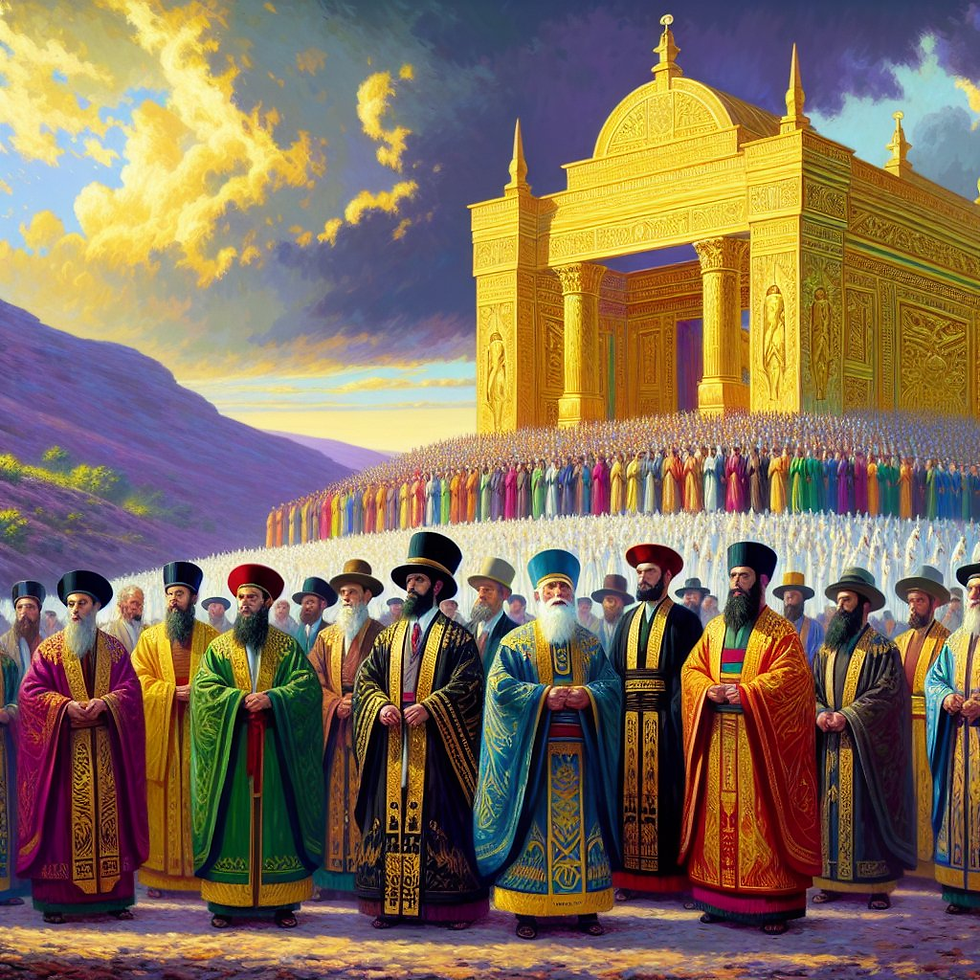
다음은 기브온 산당에 있었던 여호와의 성막에서 예배하는 사람들입니다. 여기서 아마 질문이 있으실 것 같습니다. 하나님의 언약궤가 다윗의 장막에 안치되었는데 그렇다면 39절에서 말하는 여호와의 성막은 대체 무엇인가? 모세가 광야에서 지은 회막은 가나안 정복과 사사시대를 거쳐 이동하게 됩니다. 사사시대에는 실로에 있었는데 엘리 제사장 시절, 블레셋과의 아벡 전투에서 이스라엘이 실로의 회막에서 언약궤를 무단으로 들고 나갔다가 빼앗겼지요. 그리고는 지금까지 회막과 언약궤는 분리되어 있었던 것입니다. 그래서 언약궤는 지금 예루살렘 성의 다윗의 장막에, 회막과 번제단은 기브온에 머물러 있었던 것입니다. 그런데 우리는 율법이 하나님께 드리는 제사를 명령하는 것을 압니다. 그래서 39절은 다윗이 제사장 사독과 그의 형제 제사장들로 여호와의 성막을 모시게하였다고 말하고 있는 것입니다. 40절 함께 읽어보겠습니다. “항상 아침 저녁으로 번제단 위에 여호와께 번제를 드리되 여호와의 율법에 기록하여 이스라엘에게 명령하신 대로 다 준행하게 하였고” 우리는 이 말씀에서 이들이 하나님의 말씀을 철저하게 지켰던 것을 봅니다. 그들이 드렸던 번제는 희생제물 전체를 완전히 태워서 드리는 제사입니다. 이것은 하나님께 온전히 내어드리는 예배를 상징하지요. 그들은 철저한 순종과 완전히 드리는 제사로 하나님을 예배하였던 것입니다. 그런데 재미있는 것은 이 곳, 기브온의 회막에서도 번제만 드리는 것이 아니라 감사와 찬양예배를 드렸던 것을 알 수 있습니다. 41절을 보니 “헤만과 여두둔과 그리고 택함을 받아 지명된 나머지 사람을 세워 감사하게 하였다”고 합니다. ‘택함을 받아 지명된 나머지 사람들,’ 어떤 사람들입니까? 하나님의 부르심을 받은 사람들입니다. 하나님께서는 그들로 하나님께 감사 찬양을 하게 하셨습니다. 그들은 하나님의 영원하신 인자하심을 감사하였습니다. 택함을 받은 자리에서 하나님의 인자하심을 영원히 감사하는 것. 그것이 그들의 예배였습니다.
2. Worshipping at the Tabernacle of the LORD in Gibeon (vv. 39–42)
Next, we see those worshipping at the Tabernacle of the LORD located in Gibeon.
At this point, you might ask: “If the Ark of the Covenant was placed in David’s tent, what is this ‘Tabernacle of the LORD’ in verse 39?”
The Tabernacle built by Moses in the wilderness moved to several locations throughout the conquest of Canaan and the period of the Judges. During the time of the Judges, it was at Shiloh. However, during the priesthood of Eli, when Israel took the Ark from Shiloh into battle against the Philistines without divine sanction, the Ark was captured. From that time on, the Tabernacle and the Ark were separated. Thus, the Ark was now in David’s tent in Jerusalem, while the Tabernacle and the bronze altar remained at Gibeon.
Yet we know that the Law commanded sacrifices to be offered to God. Verse 39 tells us that David appointed Zadok the priest and his fellow priests to serve before the Tabernacle of the LORD. Let us read verse 40 together:
“To offer burnt offerings to the LORD on the altar of burnt offering continually morning and evening, in accordance with everything written in the Law of the LORD, which he had given Israel.”
We see here their meticulous obedience to God’s Word. The burnt offering (olah) was a sacrifice in which the animal was completely consumed by fire, symbolizing a life surrendered entirely to God. They worshipped God through thorough obedience and complete dedication.
Interestingly, even at the Tabernacle in Gibeon, worship was not limited to burnt offerings; praise and thanksgiving were offered there as well. Verse 41 notes that David appointed “Heman and Jeduthun and the rest of those chosen and designated by name to give thanks to the LORD, for his love endures forever.”
Who were “those chosen and designated by name”? They were people called by God! God appointed them to give thanks and praise His eternal love (hesed). To give thanks continually for God's enduring love in the very place where they were called—that was their worship.
마지막으로 43절은 이들이 그 예배를 마치고 집으로 돌아가는 장면을 보여주고 있습니다. 다윗 또한 왕일지라도 백성들과 마찬가지로 집으로 돌아갑니다. 이는 하나님 앞에서는 왕인 그도 그저 한 사람의 예배자임을 알려주고 있는 것이지요. 또한 그는 자신의 삶의 공간인 집으로 돌아 갈때에 자신의 집을 축복하기 위해 돌아갔다고 합니다. 예배를 통하여 그의 삶에 임한 하나님에 대한 감사와 예배가 그의 삶의 공간으로까지 이어지는 것을 보여주는 것입니다.
말씀을 맺습니다. 오늘 본문의 말씀은 다윗의 장막으로 이전된 하나님의 언약궤 앞에서 하나님을 예배하는 사람들과 모세의 회막과 번제단에서 예배하는 사람들의 이야기를 전합니다. 우리는 그들을 통하여 각자의 역할은 다르지만 부르심을 받은 그 자리에서 하나님을 예배하는 그들의 모습을 봅니다. 또한 그 예배가 언약궤와 회막 앞에서만 이루어지는 것이 아니라 그들의 삶의 공간으로까지 이어지는 것을 봅니다. 본문의 말씀처럼 하나님께서는 우리를 택하시고 지명하여 부르셨습니다. 그 부르심은 다를지 모르지만 우리는 그 부르심의 자리에서 하나님을 예배해야 할 것입니다. 부르신 곳에서 또 우리의 삶의 자리에서 하나님을 예배하시는 여러분 되시기를 주님의 이름으로 축원합니다.
3. Returning Home with Blessing (v. 43)
Finally, verse 43 shows everyone returning home after worship:
“Then all the people left, each for his own home, and David returned home to bless his household.”
Even though David was king, he returned home just like all the people. Before God, even the king is simply a fellow worshipper.
Furthermore, as David returned to his personal space, he went to bless his household. The gratitude and worship that filled his life in the sanctuary flowed directly into his home and daily life.
Conclusion
Today’s text tells the story of those who worshipped God before the Ark of the Covenant in David’s tent, and those who worshipped before Moses’ Tabernacle and bronze altar in Gibeon. Through them, we see that although their roles differed, each person worshipped God faithfully in the place where they were called. Moreover, we see that worship did not end at the sanctuary, but extended into their homes and daily spaces.
As in today's passage, God has chosen us and called us by name. Our individual callings may differ, but we are called to worship God in the very place of our calling.
May you be worshippers who worship God wherever He has called you and throughout every area of your daily life. I pray this in the name of the Lord. Amen.
![20260929 [새벽묵상] 홀로 위대하신 하나님의 통치를 찬양하라 Praise the Reign of God, Who Alone Is Great (대상/1Chron 16:23~36)](https://static.wixstatic.com/media/5952d3_ba2f4b59c78b48d1a36108c11b245d15~mv2.png/v1/fill/w_980,h_980,al_c,q_90,usm_0.66_1.00_0.01,enc_avif,quality_auto/5952d3_ba2f4b59c78b48d1a36108c11b245d15~mv2.png)
댓글