
20260213 [새벽묵상] 악을 보고 낙담하지 맙시다 | Let us not be discouraged when we see evil (마/Mt 13:18~30)
- 2월 13일
- 8분 분량
13:18 그런즉 씨 뿌리는 비유를 들으라
13:19 아무나 천국 말씀을 듣고 깨닫지 못할 때는 악한 자가 와서 그 마음에 뿌려진 것을 빼앗나니 이는 곧 길 가에 뿌려진 자요
13:20 돌밭에 뿌려졌다는 것은 말씀을 듣고 즉시 기쁨으로 받되
13:21 그 속에 뿌리가 없어 잠시 견디다가 말씀으로 말미암아 환난이나 박해가 일어날 때에는 곧 넘어지는 자요
13:22 가시 떨기에 뿌려졌다는 것은 말씀을 들으나 세상의 염려와 재물의 유혹에 말씀이 막혀 결실하지 못하는 자요
13:23 좋은 땅에 뿌려졌다는 것은 말씀을 듣고 깨닫는 자니 결실하여 어떤 것은 백 배, 어떤 것은 육십 배, 어떤 것은 삼십 배가 되느니라 하시더라
18 “Listen then to what the parable of the sower means: 19 When anyone hears the message about the kingdom and does not understand it, the evil one comes and snatches away what was sown in their heart. This is the seed sown along the path. 20 The seed falling on rocky ground refers to someone who hears the word and at once receives it with joy. 21 But since they have no root, they last only a short time. When trouble or persecution comes because of the word, they quickly fall away. 22 The seed falling among the thorns refers to someone who hears the word, but the worries of this life and the deceitfulness of wealth choke the word, making it unfruitful. 23 But the seed falling on good soil refers to someone who hears the word and understands it. This is the one who produces a crop, yielding a hundred, sixty or thirty times what was sown.”
13:24 예수께서 그들 앞에 또 비유를 들어 이르시되 천국은 좋은 씨를 제 밭에 뿌린 사람과 같으니
13:25 사람들이 잘 때에 그 원수가 와서 곡식 가운데 가라지를 덧뿌리고 갔더니
13:26 싹이 나고 결실할 때에 가라지도 보이거늘
[The Parable of the Weeds]
24 Jesus told them another parable: “The kingdom of heaven is like a man who sowed good seed in his field. 25 But while everyone was sleeping, his enemy came and sowed weeds among the wheat, and went away. 26 When the wheat sprouted and formed heads, then the weeds also appeared.
13:27 집 주인의 종들이 와서 말하되 주여 밭에 좋은 씨를 뿌리지 아니하였나이까 그런데 가라지가 어디서 생겼나이까
27 “The owner’s servants came to him and said, ‘Sir, didn’t you sow good seed in your field? Where then did the weeds come from?’
13:28 주인이 이르되 원수가 이렇게 하였구나 종들이 말하되 그러면 우리가 가서 이것을 뽑기를 원하시나이까
28 “‘An enemy did this,’ he replied.
“The servants asked him, ‘Do you want us to go and pull them up?’
13:29 주인이 이르되 가만 두라 가라지를 뽑다가 곡식까지 뽑을까 염려 하노라
13:30 둘 다 추수 때까지 함께 자라게 두라 추수 때에 내가 추수꾼들에게 말하기를 가라지는 먼저 거두어 불사르게 단으로 묶고 곡식은 모아 내 곳간에 넣으라 하리라
29 “‘No,’ he answered, ‘because while you are pulling the weeds, you may uproot the wheat with them. 30 Let both grow together until the harvest. At that time I will tell the harvesters: First collect the weeds and tie them in bundles to be burned; then gather the wheat and bring it into my barn.’”
무신론자들이 하나님이 존재를 부정할 때 주로 사용하는 주장은 바로 “전능하신 하나님이라면서 어째서 이 세상에 악한 일이 벌어지도록 내버려 둘 수 있나”하는 것입니다. 세상에 일어나는 악한 일들을 없애지 못하는 존재는 하나님이 될 수 없다는 것입니다. 더 나아가서는 하나님이 악을 만든 장본인이라 주장하며 그런 하나님은 믿고싶지 않다고 말합니다. 이런 사람들과 대화하다보면 낙담스럽고 괜시리 힘이 빠집니다. 이렇게 악이 만연한 현실에서 우리는 왜 인내하며 계속 사역을 감당해야 할까요? 오늘 본문인 씨 뿌리는 비유의 해설과 가라지 비유를 통해 그 해답을 알 수 있습니다. 평소에 잘 알고 있던 이 비유들에서 항상 우리의 마음 밭을 살펴보고 끝났더라면 오늘은 더 나아가 씨를 뿌리는 농부의 마음을, 즉 주님의 사역을 대행하는 대행자로서의 우리의 자세를 살펴보길 원합니다.
When atheists deny the existence of God, one of their most common arguments is this: “If God is truly almighty, how can He allow evil things to happen in this world?” They claim that a being who cannot eliminate evil cannot be God. Some even go further and argue that God Himself is the author of evil, saying they do not want to believe in such a God. When we engage in conversations like this, we can feel discouraged and drained. In a reality where evil is so widespread, why should we continue to endure and faithfully carry out our ministry? Today’s passage—the explanation of the Parable of the Sower and the Parable of the Weeds—gives us the answer.

먼저 오늘 본문의 18-23절은 씨 뿌리는 자의 비유에 대한 예수님의 해설입니다.
씨는 곧 하나님의 말씀이며, 밭은 말씀을 듣는 우리의 마음 상태입니다. 그리고 예수님은 밭의 종류를 네 가지로 나눠주셨는데, 따져보면 결국은 두 종류입니다. 말씀을 들었으나 깨닫지 못해 열매 맺지 못하는 땅 (여기에는 길가, 돌밭, 가시떨기가 있습니다)과 깨닫고 열매 맺는 땅입니다. 그러니 4분의 3 확률로 뿌려진 씨들이 열매를 맺지 못합니다. 이것은 씨의 퀄리티가 안 좋아서 생겨난 문제가 아닙니다. 다만 각 밭에서 벌어지는 여러 방해꾼과 환난이 있기 때문입니다. 먼저 19절에서 길가에 뿌려진 씨는 새들이, 즉 악한 자가 와서 빼앗아갑니다. 여기서 악한 자는 곧 사탄 또는 마귀를 가리킵니다. 말씀에 대한 관심이 없고 듣기를 거부하면 그대로 방치된 말씀은 사탄이 가져가 버리고 말 것입니다. 두 번째로 21절에서는 돌밭에 뿌려졌던 씨는 기쁨으로 말씀을 받아 뿌리가 조금 자랐지만 해와 같이 뜨거운 환난이나 고통을 견디지 못하고 무너지는 자들을 가리킵니다. 그리고 22절에서 세 번째 가시떨기에 떨어진 씨는 가시와 같은 시대의 염려와 부의 유혹에 마음이 뺏겨 결국은 열매를 맺지 못하는 자들입니다. 그러나 좋은 땅은 다릅니다. 말씀을 듣고 이해하는 자는 열매를 맺어 그 깨닫는 정도에 따라 100배, 60배, 30배의 더 많은 열매를 맺을 겁니다. 이제는 우리가 하나님의 나라를 위해 예수님을 대행해서 세상에 말씀의 씨를 뿌려야 합니다. 항상 100% 승률은 기대할 수 없지만 낙담하지 맙시다. 나 같은 열매 맺지 못할 땅도 꾸준히 일궈주시고 비료도 주시는 농부 되시는 예수님께서 열매 맺게 하시듯이, 우리 또한 꾸준히 신실하게 씨를 뿌린다면 때에 맞게 비도 주시고 햇살도 보내주셔서 이 세상 많은 열매 맺을 줄로 확신합니다.
First, verses 18–23 explain the Parable of the Sower. The seed represents the Word of God, and the soil represents the condition of our hearts as we hear the Word. Jesus describes four kinds of soil, but in essence there are only two types: soil that hears but does not understand and therefore bears no fruit (the path, the rocky ground, and the thorny ground), and soil that understands and bears fruit. This means that three out of four seeds do not bear fruit. This is not because the quality of the seed is poor. Rather, it is because of the various obstacles and trials present in each type of soil. In verse 19, the seed sown along the path is snatched away by birds—that is, by the evil one. Here, the evil one refers to Satan or the devil. When there is no interest in the Word and it is rejected, the unattended Word is taken away by Satan. Second, in verse 21, the seed sown on rocky ground refers to those who receive the Word with joy and begin to grow roots, but cannot endure the scorching heat of trials and suffering, and thus fall away. Third, in verse 22, the seed that falls among thorns represents those whose hearts are captured by the worries of this age and the deceitfulness of wealth, so that they ultimately fail to bear fruit. But the good soil is different. Those who hear and understand the Word bear fruit—producing a hundredfold, sixtyfold, or thirtyfold, according to their level of understanding. Now it is our turn to sow the seeds of the Word in the world on behalf of Jesus and for the kingdom of God. We cannot expect a 100% success rate, but let us not be discouraged. Just as Jesus, the farmer, continually cultivates and fertilizes even soil like ours that once bore no fruit, causing it to become fruitful, we too must faithfully sow the seed. In due time, He will send the rain and the sunshine, and we are confident that many fruits will grow in this world.

다음으로 24-30절은 또 다른 비유인 가라지의 비유입니다.
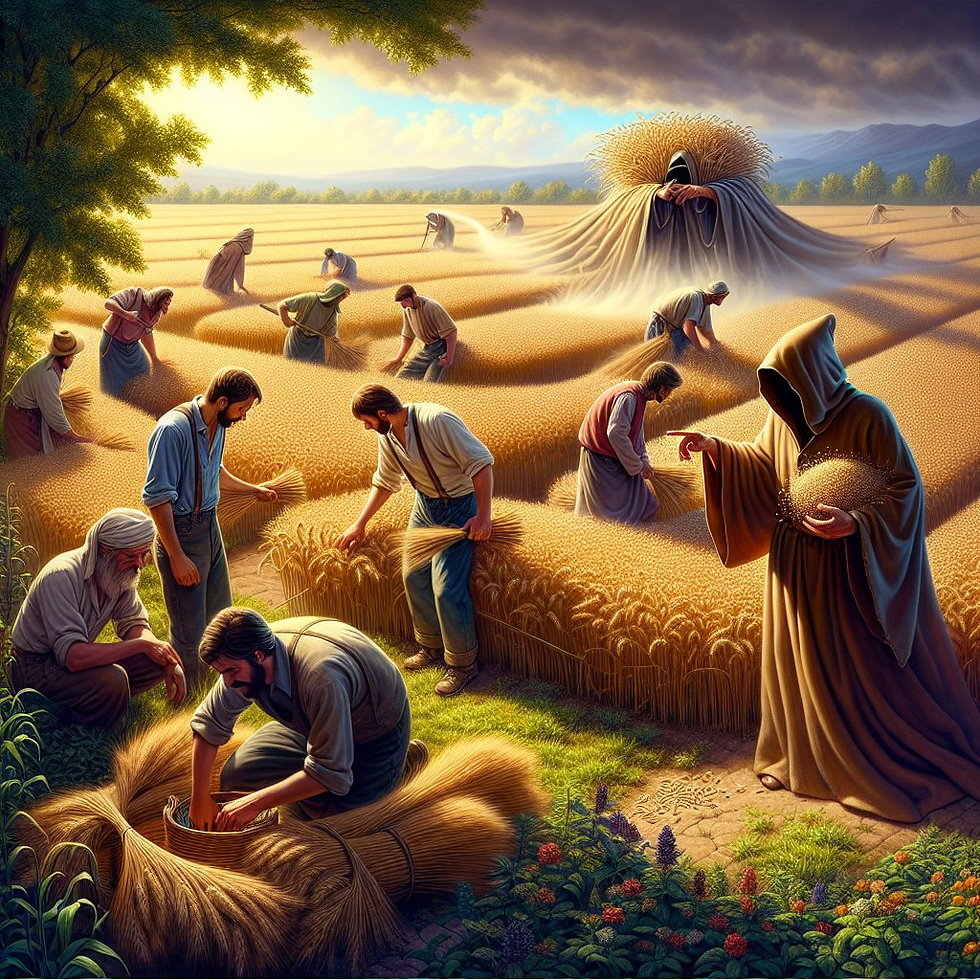
24절에 하늘나라는 어떤 사람이 자기 밭에 좋은 씨를 뿌리는 것과 같다고 하십니다. 좋은 씨를 뿌렸으니 잘 수확만 하면 될 것 같은데 그만 원수가 밤 사이에 와서 곡식 가운데 가라지를 뿌리고 갔습니다 (25절). 여기서 가라지라고 번역된 지자니온(ζιζάνιον)는 ‘독보리’라는 식물을 가리킨다고 합니다. 이것은 단순한 잡초가 아니라 밀과 상당히 비슷하여 구별하기가 어렵고, 독이 있어 식용으로 사용할 수 없는 유해 식물입니다. 그렇게 잘 숨어있다가 26절에 열매가 맺히고 수확을 거둘 때 쯤 가라지가 구별된다고 합니다. 이것은 가라지의 가장 큰 특징은 위장성과 잠복성을 나타냅니다. 이때 종들의 반응이 흥미롭습니다. “주여 밭에 좋은 씨를 뿌리지 아니하였나이까 그런데 가라지가 어디서 생겼나이까 (27절).” 이것은 마치 선한 하나님 사역을 하던 중 종종 예상치 못한 악한 일들이 일어날 때 당황하고 낙담하는 우리 같습니다. 이런 상황에서 주인은 전혀 당황하지 않고 모든 상황을 다 알고 있습니다. 그리고 이것이 바로 원수의 짓, 곧 사탄의 짓임을 밝힙니다 (28절). 그리고 종들이 당장 가라지를 뽑을지를 여쭙자 주인은 “추수 때까지 함께 자라게 두라 (30절)”고 명령합니다. 이러한 주인의 모습은 이 세상과 마지막 날을 향한 주님의 마음을 잘 나타내고 있습니다.
Next, verses 24–30 present another parable—the Parable of the Weeds. In verse 24, Jesus says that the kingdom of heaven is like a man who sowed good seed in his field. It seems that all he needs to do is wait for the harvest. But during the night, an enemy came and sowed weeds among the wheat (v. 25). The word translated “weeds” refers to a plant called zizania (ζιζάνιον), often identified as darnel, or false wheat. It is not just a simple weed. It closely resembles wheat, making it difficult to distinguish, and it is poisonous and harmful for consumption. It hides among the wheat and is only clearly distinguishable when the crop matures and the harvest approaches (v. 26). The key characteristics of these weeds are their deceptive and hidden nature. The servants’ reaction is striking: “Sir, did you not sow good seed in your field? Where then did the weeds come from?” (v. 27). This sounds just like us when, while serving the good God, unexpected evil events occur and we become confused and discouraged. Yet the master is not flustered. He knows exactly what has happened and reveals that this is the work of the enemy—that is, Satan (v. 28). When the servants ask whether they should immediately pull up the weeds, the master commands, “Let both grow together until the harvest” (v. 30). This response reveals the Lord’s heart toward this world and toward the last day.

먼저는 가라지를 뽑다가 곡식까지 해칠까 염려하시는 주님의 배려를 볼 수 있습니다 (29절). 그러므로 지금은 비록 가라지와 함께 이 땅에 살면서 여러 유혹과 도전을 받지만 우리는 계속해서 우리의 정체성을 잊지 않고 좋은 땅이 되어 말씀의 열매를 맺기에 힘을 써야겠습니다. 그리고 노하기를 더디 하시고 인자하심이 풍부하신 이 세상을 향한 하나님의 마음을 알 수 있습니다. 요즘 세상은 정말 종말이 왔다고 믿어지는 악한 세상입니다. 그러나 모든 이가 예수님을 믿고 회개하여 구원받기를 원하시는 하나님은 긍휼의 하나님이십니다. 그리고 또한 교회다니고 예수님 믿는다는 우리들도 "그런즉 선 줄로 생각하는 자는 넘어질까 조심하라 (고전 10:12)" 말씀처럼 하루하루 점검해야 합니다. 우리들이 그리스도의 장성한 분량까지 성숙해지기를 기다려주시는 주님의 크신 인내와 사랑을 기억합시다. 결국 마지막 날 이 모든 악한 환난 속에서 하나님의 자녀들을 건지시고 승리하게 하실 것입니다.
First, we see the Lord’s consideration in not wanting the wheat to be harmed while pulling out the weeds (v. 29). Though we live in this world alongside weeds and face many temptations and challenges, we must not forget our identity. We must strive to remain good soil and bear the fruit of the Word. We also see the heart of God, who is slow to anger and abounding in steadfast love toward this world. These days, it truly feels as though we are living in the end times because of the overwhelming evil around us. Yet God is merciful and desires that all would believe in Jesus, repent, and be saved. And even we who attend church and say we believe in Jesus must examine ourselves daily, as Scripture says, “So, if you think you are standing firm, be careful that you don’t fall” (1 Corinthians 10:12). Let us remember the Lord’s great patience and love as He waits for us to grow into the full measure of maturity in Christ. In the end, on the last day, He will rescue His children from all evil and tribulation and grant them victory.
![20260623 [새벽묵상] 불성실한 요나와 성실하신 하나님 The Faithless Jonah and the Faithful God (요나/Jon 3:1~10)](https://static.wixstatic.com/media/5952d3_26f56b5f3b8546a5b9bf2b6fe748f4c2~mv2.png/v1/fill/w_980,h_980,al_c,q_90,usm_0.66_1.00_0.01,enc_avif,quality_auto/5952d3_26f56b5f3b8546a5b9bf2b6fe748f4c2~mv2.png)
![20260622 [새벽묵상] 고난 중엔 기도해야 합니다 We Must Pray in Times of Suffering (요나/Jon 1:17~2:10)](https://static.wixstatic.com/media/5952d3_349e545382f94140a9683d1546ebc7de~mv2.png/v1/fill/w_980,h_980,al_c,q_90,usm_0.66_1.00_0.01,enc_avif,quality_auto/5952d3_349e545382f94140a9683d1546ebc7de~mv2.png)
![20260619 [새벽묵상] 마라나 타 מרנא תא Maranatha (고전/1Cor 16:13~24)](https://static.wixstatic.com/media/5952d3_e80a8b3f7faf4e30bdadd8124941b438~mv2.png/v1/fill/w_980,h_980,al_c,q_90,usm_0.66_1.00_0.01,enc_avif,quality_auto/5952d3_e80a8b3f7faf4e30bdadd8124941b438~mv2.png)
댓글