
20260825 [새벽묵상] 왕이 드리는 예배 The Worship Offered by the Prince (겔/Ezk 46:1-15)
- 2시간 전
- 10분 분량

46:1 주 여호와께서 이같이 말씀하셨느니라 안뜰 동쪽을 향한 문은 일하는 엿새 동안에는 닫되 안식일에는 열며 초하루에도 열고
46:2 군주는 바깥 문 현관을 통하여 들어와서 문 벽 곁에 서고 제사장은 그를 위하여 번제와 감사제를 드릴 것이요 군주는 문 통로에서 예배한 후에 밖으로 나가고 그 문은 저녁까지 닫지 말 것이며
46:3 이 땅 백성도 안식일과 초하루에 이 문 입구에서 나 여호와 앞에 예배할 것이며
46:4 안식일에 군주가 여호와께 드릴 번제는 흠 없는 어린 양 여섯 마리와 흠 없는 숫양 한 마리라
46:5 그 소제는 숫양 하나에는 밀가루 한 에바요 모든 어린 양에는 그 힘대로 할 것이며 밀가루 한 에바에는 기름 한 힌 씩이니라
46:6 초하루에는 흠 없는 수송아지 한 마리와 어린 양 여섯 마리와 숫양 한 마리를 드리되 모두 흠 없는 것으로 할 것이며
46:7 또 소제를 준비하되 수송아지에는 밀가루 한 에바요 숫양에도 밀가루 한 에바며 모든 어린 양에는 그 힘대로 할 것이요 밀가루 한 에바에는 기름 한 힌씩이며
46:8 군주가 올 때에는 이 문 현관을 통하여 들어오고 나갈 때에도 그리할지니라
1 “‘This is what the Sovereign Lord says: The gate of the inner court facing east is to be shut on the six working days, but on the Sabbath day and on the day of the New Moon it is to be opened. 2 The prince is to enter from the outside through the portico of the gateway and stand by the gatepost. The priests are to sacrifice his burnt offering and his fellowship offerings. He is to bow down in worship at the threshold of the gateway and then go out, but the gate will not be shut until evening. 3 On the Sabbaths and New Moons the people of the land are to worship in the presence of the Lord at the entrance of that gateway. 4 The burnt offering the prince brings to the Lord on the Sabbath day is to be six male lambs and a ram, all without defect. 5 The grain offering given with the ram is to be an ephah, and the grain offering with the lambs is to be as much as he pleases, along with a hin of olive oil for each ephah. 6 On the day of the New Moon he is to offer a young bull, six lambs and a ram, all without defect. 7 He is to provide as a grain offering one ephah with the bull, one ephah with the ram, and with the lambs as much as he wants to give, along with a hin of oil for each ephah. 8 When the prince enters, he is to go in through the portico of the gateway, and he is to come out the same way.
46:9 그러나 모든 정한 절기에 이 땅 백성이 나 여호와 앞에 나아 올 때에는 북문으로 들어와서 경배하는 자는 남문으로 나가고 남문으로 들어오는 자는 북문으로 나갈지라 들어온 문으로 도로 나가지 말고 그 몸이 앞으로 향한 대로 나갈지며
46:10 군주가 무리 가운데에 있어서 그들이 들어올 때에 들어오고 그들이 나갈 때에 나갈지니라
46:11 명절과 성회 때에 그 소계는 수송아지 한 마리에 밀가루 한 에바요 숫양 한 마리에도 한 에바요 모든 어린 양에는 그 힘대로 할 것이며 밀가루 한 에바에는 기름 한 힌씩이며
9 “‘When the people of the land come before the Lord at the appointed festivals, whoever enters by the north gate to worship is to go out the south gate; and whoever enters by the south gate is to go out the north gate. No one is to return through the gate by which they entered, but each is to go out the opposite gate. 10 The prince is to be among them, going in when they go in and going out when they go out. 11 At the feasts and the appointed festivals, the grain offering is to be an ephah with a bull, an ephah with a ram, and with the lambs as much as he pleases, along with a hin of oil for each ephah.
46:12 만일 군주가 자원하여 번제를 준비하거나 혹은 자원하여 감사제를 준비하여 나 여호와께 드릴 때에는 그를 위하여 동쪽을 향한 문을 열고 그가 번제와 감사제를 안식일에 드림 같이 드리고 밖으로 나갈지며 나간 후에 문을 닫을지니라
12 “‘When the prince provides a freewill offering to the Lord—whether a burnt offering or fellowship offerings—the gate facing east is to be opened for him. He shall offer his burnt offering or his fellowship offerings as he does on the Sabbath day. Then he shall go out, and after he has gone out, the gate will be shut.
46:13 아침마다 일년 되고 흠 없는 어린 양 한 마리를 번제를 갖추어 나 여호와께 드리고
46:14 또 아침마다 그것과 함께 드릴 소제를 갖추되 곧 밀가루 육분의 일 에바와 기름 삼분의 일 힌을 섞을 것이니 이는 영원한 규례로 삼아 항상 나 여호와께 드릴 소제라
46:15 이같이 아침마다 그 어린 양과 밀가루와 기름을 준비하여 항상 드리는 번제물로 삼을지니라
13 “‘Every day you are to provide a year-old lamb without defect for a burnt offering to the Lord; morning by morning you shall provide it. 14 You are also to provide with it morning by morning a grain offering, consisting of a sixth of an ephah with a third of a hin[d] of oil to moisten the flour. The presenting of this grain offering to the Lord is a lasting ordinance. 15 So the lamb and the grain offering and the oil shall be provided morning by morning for a regular burnt offering.
어제 우리는 새 이스라엘을 다스릴 왕의 본분이 무엇인지 보았습니다. 실생활에서의 정의와 공의가 예배와 직결된 것임을 말씀하셨습니다. 그리고 왕의 본분이란 그런 공정한 예배를 온전히 후원하는 자로서 부르신 것이라고 말씀하셨지요. 이는 그들이 경험하고 알던 자신의 이기적인 목적을 위해 왕권을 휘두르던 왕들의 모습과는 전혀 다른 모습의 왕이었습니다. 오늘 우리는 그 왕이 하나님께 드리게 될 매일의 예배, 매주의 예배, 또 매달의 예배를 보게 될 것입니다. 그리고 하나님께서 정하신 절기에 드리는 왕의 예배의 모습 또한 보게 될 것입니다. 그 모습을 통해 하나님께서 왕에게 요구하시는 것이 무엇인가? 오늘은 “왕이 드리는 예배”라는 제목으로 말씀을 나누기 원합니다.
Introduction
Yesterday, we examined the true calling of the prince who would rule the new Israel. We saw that practicing righteousness and justice in daily life is directly connected to true worship, and that the prince’s primary duty is to support and facilitate uncorrupted, fair worship. This stood in stark contrast to the selfish, abusive rulers the exiles had known in their past.
Today, we look at the daily, weekly, and monthly worship offered by the prince, as well as his participation in the annual appointed feasts. Through these ordinances, we discover what God requires of a leader in worship.
Today, I would like to share a message titled: “The Worship Offered by the Prince.”

첫번째는 매주와 매달의 예배의 모습입니다. 1절을 보니 안뜰 동문을 6일 동안 닫아두되 매주 안식일과 매달 첫째날에는 열라고 말씀하시는 것을 볼 수 있습니다. 우리는 지난 주에 하나님께서 당신의 성전의 거룩함을 세속과 구별하시는 모습을 보았었습니다. 그것은 세속에 사는 백성들을 보호하시기 위함이셨지요. 44:19에서도 제사장들이 성전 안에서 수종 들던 옷을 거룩한 방에서 다른 옷으로 갈아입게 하시는데 그 이유를 이렇게 설명합니다. “이는 그 옷으로 백성을 거룩하게 할까 함이라” 무슨 말입니까? 당신의 거룩함이 그들에게 흐르면 그들은 그 거룩함 앞에 살아남지 못합니다. 마찬가지 입니다. 6일 동안은 이 거룩한 안뜰의 동문을 닫아 놓습니다. 이들을 당신의 거룩함에서 보호하시려는 것이지요. 그런데 매주 안식일과 매달 첫째날인 초하루에는 열라고 하십니다. 그리고는 이 동문을 저녁까지 닫지 말라고 하시지요. 평일에는 이들을 보호하시기 위해 문을 닫았지만 안식일과 초하루에는 하나님과 백성 사이의 교제가 아무런 막힘 없이 이루어지는 것을 보여주는 것입니다. 그 문이 열릴 때에 2절을 보니 왕은 바깥문 현관을 통하여 들어와서 문 벽 곁, 즉 문의 문기둥 옆에 서야 한다고 말씀하십니다. 그리고 제사장은 왕을 위하여 번제와 감사제를 드릴텐데, 왕은 이 때, 제사장들이 있는 거룩한 땅인 안 뜰 안으로 들어오는 것이 아니라 문 통로에서, 즉, 바깥뜰과 안뜰의 경계인 문지방에서 예배를 한 후에 왔던 그대로 밖으로 나가라고 하십니다. 이 모습은 첫번째로 왕은 성전 예배에서 중요한 특권을 누리지만, 결코 제사장의 영역인 제단을 침범할 수 없음을 보여줍니다. 우리는 과거의 왕들이 제사장의 영역을 침범했을 때 하나님의 성전에서 온갖 우상 숭배와 죄악들이 이루어졌던 것을 기억합니다. 왕의 권한을 제한하심으로 그가 범죄할 수 있는 가능성을 미리 차단해 두시는 것입니다.
1. Weekly and Monthly Worship: Boundaries and Responsibility (vv. 1–7)
In verse 1, God commands that the inner gate facing east remain shut during the six working days, but be opened on the Sabbath and on the New Moon.
Previously, we saw how God separates the sacred from the common to protect His people. In Ezekiel 44:19, priests are instructed to change out of their sacred garments before going out to the outer court "so that they do not consecrate the people with their garments." Unprepared sinners cannot survive direct exposure to divine holiness. For six working days, the east gate remains closed to protect the people as they go about their common labor.
However, on the Sabbath and the New Moon, that inner gate is opened and left open until evening. While the closed gate protects them during ordinary days, the open gate signifies unhindered, open fellowship between God and His people on holy days.
When the gate opens, verse 2 specifies that the prince must enter through the outer vestibule and stand by the doorpost of the gateway. As priests offer his burnt offerings and peace offerings, the prince does not enter the inner court—the holy ground reserved strictly for priests. Instead, he worships at the threshold (the boundary between the inner and outer courts) and exits the way he came.
This reveals two vital requirements for the prince:
Boundaries on Authority: Although the prince holds high privileges, he is strictly forbidden from encroaching upon the priestly altar. Past kings brought ruin upon Israel when they presumed priestly authority and introduced idolatry into the sanctuary. By limiting the prince’s ceremonial power, God proactively prevents the temptation to abuse authority.
Mediating Responsibility (v. 3): On worship days, common Israelites gather in the outer court, priests minister in the inner court, and the prince stands right at the threshold connecting the two. Through the sacrifices he provides, the entire congregation enters into fellowship with God. He acts as a bridge between the holy priesthood and the common people, bearing a solemn liturgical and financial responsibility. Verses 4–7 show that the sacrifices required of the prince on Sabbaths and New Moons far exceed those prescribed in the Mosaic Law (Numbers 28). Sponsoring divine worship carries a heavy, sacred weight.

왕에게 요구하시는 두번째는 3절 말씀에서 유추 할 수 있습니다. 매월과 매주에 안뜰 동문이 열리고 예배가 열릴 때에 백성들도 이 문 입구, 즉 바깥 뜰에서 예배할 것입니다. 무슨 말입니까? 안뜰에서는 제사장이 바깥뜰에서는 백성들이 그 경계가 되는 문의 문지방에서 왕이 예배를 드립니다. 또한 이 예배는 아까 2절에서 보았듯이 왕의 번제와 화목제입니다. 즉 왕은 거룩한 제사장들과 세속적인 백성들 사이에 중개자 역할을 한다는 것입니다. 그가 드리는 예배로 인해 온 백성들이 하나님과 교제할 수 있게 되었습니다. 그렇기 때문에 이제 그에게는 이전보다 더 큰 예배에 대한 책임이 생겼습니다. 우리는 그것을 4-7절까지 그에게 요구되는 안식일과 초하루의 번제물 양에서도 엿볼 수 있습니다. 이는 민수기 28장에 적혀있는 모세의 율볍에 명시된 번제물의 양보다 훨씬 많은 양입니다. 하나님을 섬기고 예배를 후원해야 할 그의 경제적인 또 제의적인 책임이 그만큼 더 무거워진 것입니다.
이제 우리는 9절에서 하나님께서 정하신 모든 절기에 백성들이 어떤 동선을 따라야 하는지 보게 됩니다. 그들이 절기에 하나님께 나아올 때는 북문이나 남문만을 이용해야 하는데 들어온 문으로는 도로 나갈 수가 없습니다. 오직 앞으로 향한 대로 나가서 반대편 문을 이용해야 하지요. 이는 먼저는 절기에 한꺼번에 몰려들게 될 방문객들로 인해 성전 안에 혼란이 생기는 것을 방지하는 장치입니다. 하나님의 거룩하신 성전 안에서 질서있게 움직일 수 있도록 교통정리를 해주시는 것이지요. 또한 영적으로는 하나님께 예배하러 온 이들이 뒤돌아보지 말고 앞으로 계속 전진하라는 의미를 갖기도 합니다. 그런데 재미있는 것은 왕도 이들 무리 사이에서 함께 움직여야 한다는 것입니다. 10절의 말씀이 이를 가르키고 있습니다. 물론 12절의 경우처럼 왕이 직접 자원하여 번제나 감사제를 준비 할 때는 특별히 안식일과 같이 동문을 통해 출입을 가능하게 하시는 특별한 대우를 받습니다. 그러나 모든 절기에는 왕도 일반 백성과 다를바 없이 한 명의 겸손한 예배자로 참석하여 백성들과 발걸음을 맞추어야 한다는 것입니다. 이것이 바로 하나님께서 왕에게 요구하시는 세번째 모습입니다. 바로 하나님 앞에 겸손한 것이지요.
2. Worship During Feasts: Humility Among the People (vv. 8–12)
Verses 8–10 describe the flow of movement required of worshippers during the appointed feasts.
When worshippers enter through the north gate, they must exit through the south gate; if they enter through the south gate, they must exit through the north gate (v. 9). No one is permitted to turn back and leave through the gate they entered; everyone must press forward.
Pragmatically, this divine traffic control prevents chaos and overcrowding when massive assemblies gather for sacred festivals. Spiritually, it symbolizes that those who come to worship God must never turn back to their old lives, but continually press forward in faith.
Fascinatingly, verse 10 requires the prince to move right alongside the crowds:
“When they go in, the prince is to go in among them; and when they go out, he is to go out.”
While the prince receives special access to the east gate when bringing voluntary individual offerings (v. 12), during public feasts he must stand in line, walk at the same pace, and worship alongside the ordinary people as a fellow worshipper.
This reveals the third requirement for the prince: Humility before God. Before the Sovereign Lord, even the highest ruler is simply a humble worshipper standing on equal ground with the rest of God’s people.
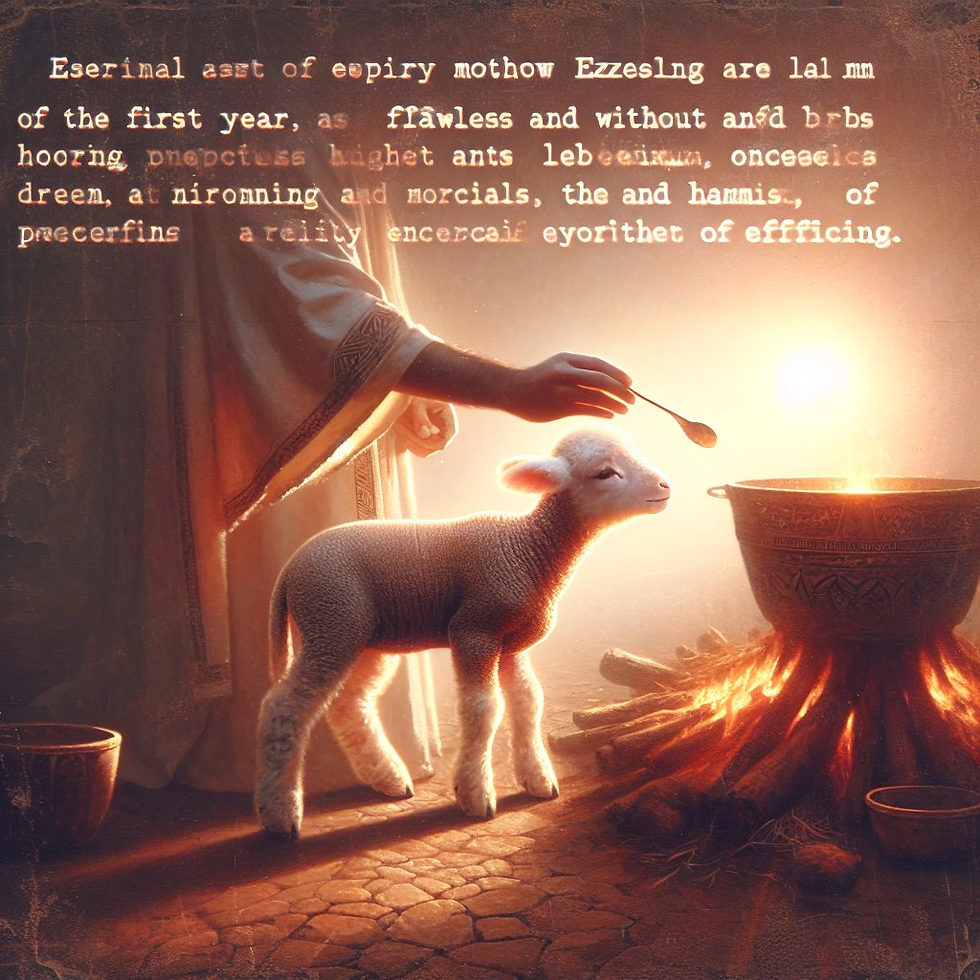
13-15절은 매일의 예배를 어떻게 해야 하는지 말씀하십니다. 성전에서는 매일 아침마다 번제물과 소제가 바쳐져야 했습니다. 13-15절은 아침마다 라는 말이 반복되고 있지요. 어두운 밤이 지나고 날마다 새롭게 밝아오는 아침마다 이스라엘은 하나님께 예배를 드림으로 생명을 주시는 하나님께서 그들 가운데에 좌정하심을 기억하는 것입니다. 매일의 예배를 지원함으로서 왕은 자신의 주인이 누구인지 그 일상 가운데서 늘 기억하는 것입니다. 이것이 왕에게 요구하시는 예배의 네번째 모습입니다.
3. Daily Worship: Constant Remembrance of God's Sovereignty (vv. 13–15)
Finally, verses 13–15 outline the daily worship. Every single morning, a year-old lamb was to be offered as a burnt offering to the LORD, alongside a grain offering. Notice how the phrase "every morning" is repeatedly emphasized.
As each dark night gave way to a new dawn, Israel opened every day with sacrifice, remembering that the God who gives life was actively enthroned in their midst. By sponsoring this daily morning sacrifice, the prince acknowledged day in and day out who his true Master was.
This is the fourth requirement for the prince: Daily dependence on God. In the routine of daily governance, he had to continually acknowledge that God alone was the true King over Israel.

말씀을 맺습니다. 오늘 우리는 왕이 드리는 매일, 매주, 매달의 예배 그리고 모든 절기의 예배와 자원해서 드리는 예배까지 그 모습을 함께 보았습니다. 하나님께서는 이 예배들을 통하여 왕에게 그가 특권을 가지고 있지만 그의 권한이 하나님 앞에서 제한되어 있음을 말씀하셨습니다. 또한 그에게 맡겨진 예배의 후원자이자 백성과 제사장 사이의 중개자 역할이 얼마나 중요한 것인지도 알려주셨지요. 그는 늘 겸손하여야 하고 일상 가운데에서 하나님이 자신의 주인되시고 진정한 왕이심을 늘 기억해야 합니다. 우리도 마찬가지입니다. 하나님께서 우리를 왕 같은 제사장으로 부르지 않으셨습니까? 오늘 말씀의 왕이 드리는 예배를 통하여 우리 또한 하나님께서 바라시는 예배를 드리는 자들이 되기 원합니다. 기도하시겠습니다.
Conclusion
Today, we have looked at the worship offered by the prince—daily, weekly, monthly, during solemn feasts, and in voluntary offerings.
Through these ordinances, God taught the prince four vital lessons:
Recognize boundaries: Privileges come with divine limits on human power.
Embrace responsibility: Serve faithfully as a sponsor and bridge for the worship of God's people.
Walk in humility: Stand as a fellow worshipper equal with the congregation.
Remember daily: Acknowledge God daily as the ultimate Sovereign over all of life.
Has not God called us to be a "royal priesthood" (1 Peter 2:9) in Christ? As we reflect on the worship required of the prince, may we also become worshippers who respect God's holy order, serve others with humility, and daily enthrone Him as the true King of our lives. Let us pray.
![20260824 [새벽묵상] 하나님을 중심에 둔 삶의 회복 Restoring a Life centered on God (겔/Ezk 44:15~45:25)](https://static.wixstatic.com/media/5952d3_d687c2f4a18249e984a7cc8eff49fbda~mv2.png/v1/fill/w_980,h_980,al_c,q_90,usm_0.66_1.00_0.01,enc_avif,quality_auto/5952d3_d687c2f4a18249e984a7cc8eff49fbda~mv2.png)
![20260821 [새벽묵상] 성전의 회복 =예배의 회복 =섬김의 회복 Restoration of the Temple = Restoration of Worship = Restoration of Service (겔/Ezk 44:1~14)](https://static.wixstatic.com/media/5952d3_e84aeebc73de439f8279295363ab3e06~mv2.png/v1/fill/w_980,h_980,al_c,q_90,usm_0.66_1.00_0.01,enc_avif,quality_auto/5952d3_e84aeebc73de439f8279295363ab3e06~mv2.png)
![20260820 [새벽묵상] 우리를 즐겁게 받으시는 하나님께 나아가려면 How to Approach the God Who Joyfully Accepts Us (겔/Ezk 43:13~27)](https://static.wixstatic.com/media/5952d3_ec2419819bb54dceacd4d71de41ad7f4~mv2.png/v1/fill/w_980,h_980,al_c,q_90,usm_0.66_1.00_0.01,enc_avif,quality_auto/5952d3_ec2419819bb54dceacd4d71de41ad7f4~mv2.png)
댓글